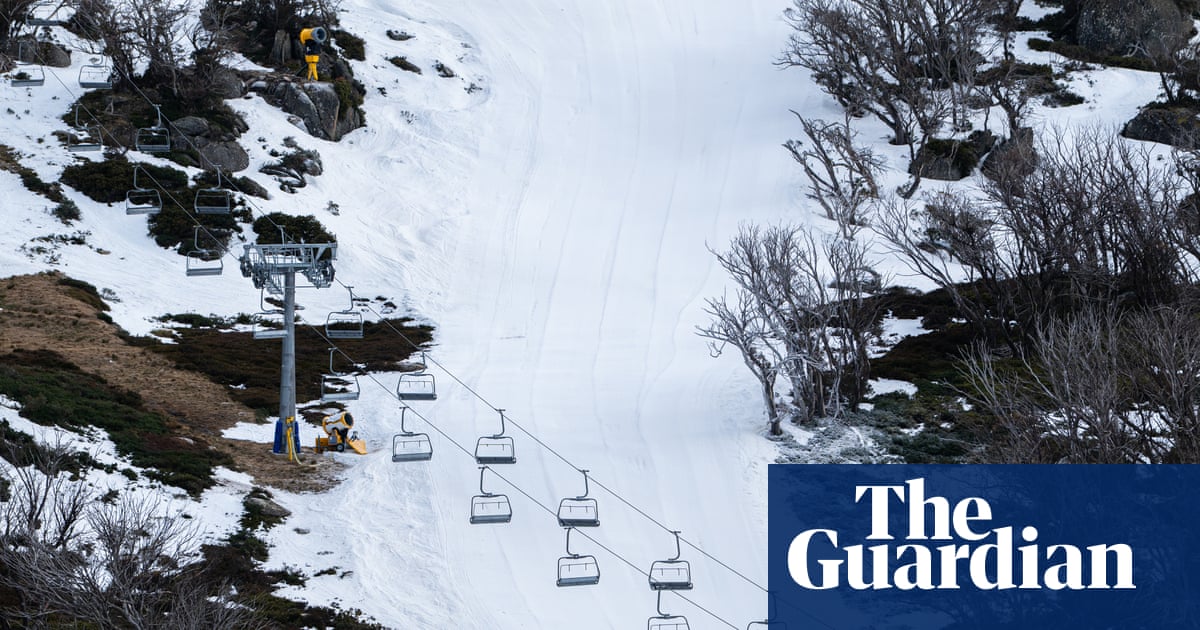

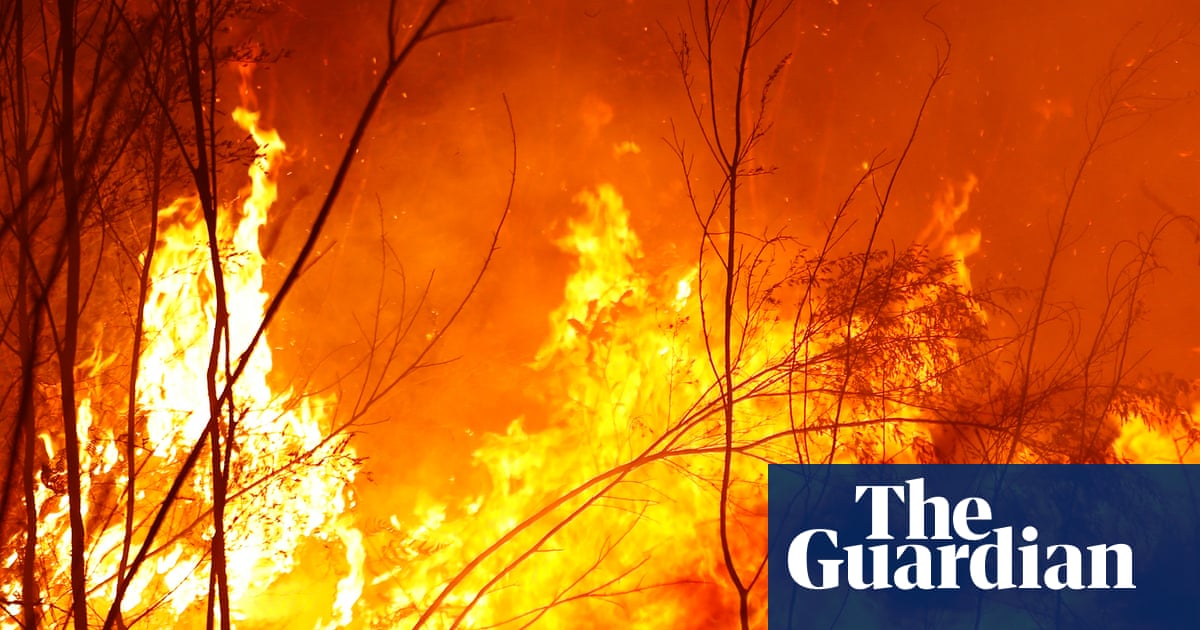
Researchers have discovered that the drastic land use changes caused by colonisation have created a "catastrophic wildfire loop," making south-east Australia more vulnerable to climate-fuelled bushfires. This study, conducted in collaboration with the Gunaikurnai Land and Waters Aboriginal Corporation, focused on the vegetation and fire history at Purghagoolah, a lake in Croajingolong National Park in Gippsland, Victoria.
Key Findings
The research team reconstructed 1,000 years of vegetation and fire history by analyzing pollen and charcoal particles from a sediment core. The findings indicate:
- A shift from open woodland to dense forest after 1788 led to more intense fires.
- This change correlates with the loss of cultural burning practices and the removal of the Gunaikurnai people from their land.
Michael-Shawn Fletcher, a professor at the University of Melbourne and the study's lead author, emphasized that prior to colonisation, the landscape was actively managed. He stated,
“"Gunaikurnai are removed from Country and you see a change in the amount of trees and shrubs in the landscape, and that drives more fires."