
New Zealand is facing the prospect of more frequent and intense heatwaves, alongside catastrophic glacier melts, as greenhouse gas levels reach record highs, according to a new report on the nation's climate. Released on Wednesday, the Our Atmosphere and Climate 2026 report highlights the increasing climate pressures that will have significant implications for the environment, native species, and communities.
Key Findings
Dr. Alison Collins, chief science adviser for the Ministry for Cities, Environment, Regions and Transport (Mcert), stated,
“"The signal is just becoming clearer … there are multiple indicators that are showing increased warming and the likelihood of climate change."
The report reveals that New Zealand's annual average temperature has risen by 1.36°C since records began in 1909, with seven of the ten warmest years occurring in the last decade. Collins noted,
“"Whilst it sounds like a small amount … it is a significant baseline shift that’s having ramifications through nature, through our communities, and through businesses and industry."
Glacier Melting
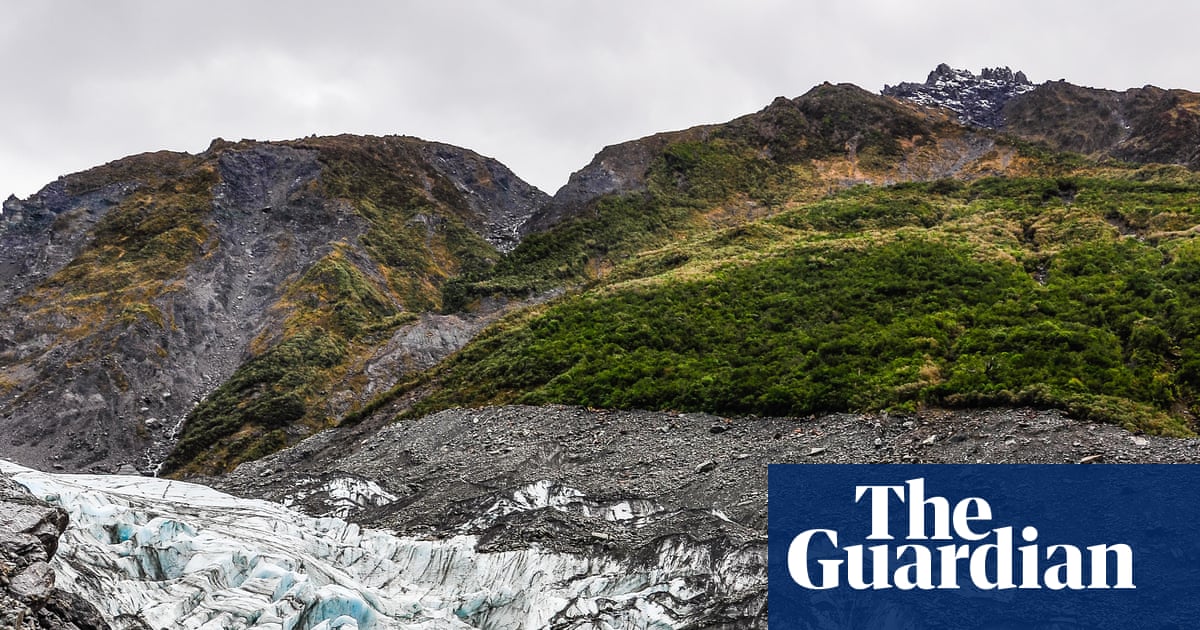
As temperatures rise, New Zealand's glaciers are shrinking. The country, which has approximately 3,000 glaciers, has seen their volume decrease from 56 cubic kilometers in 1997 to 30 cubic kilometers in 2023. The report indicates a high risk of further glacier decline:
- Under a low climate scenario (assuming low emissions), glaciers are expected to lose between 14% and 86% of their volume by 2100.
- Under a high climate scenario, this figure could rise to between 69% and 100%.