

The World Health Organization (WHO) has stated that it does not possess the "full picture" from Russia following the suspected death from plague of a 28-year-old laboratory worker in Siberia last week.
Incident Overview
Darya Shipilova died two days after exhibiting cold-like symptoms. She was employed at an anti-plague research institute in the eastern city of Irkutsk. Reports suggest she may have been infected due to a workplace accident. However, Russian authorities have denied any connection to the institute, claiming Shipilova died from "pneumonia of an unknown aetiology." They assert that there is no risk of a plague outbreak and describe the region's "sanitary and epidemiological" situation as stable.
Quarantine Measures
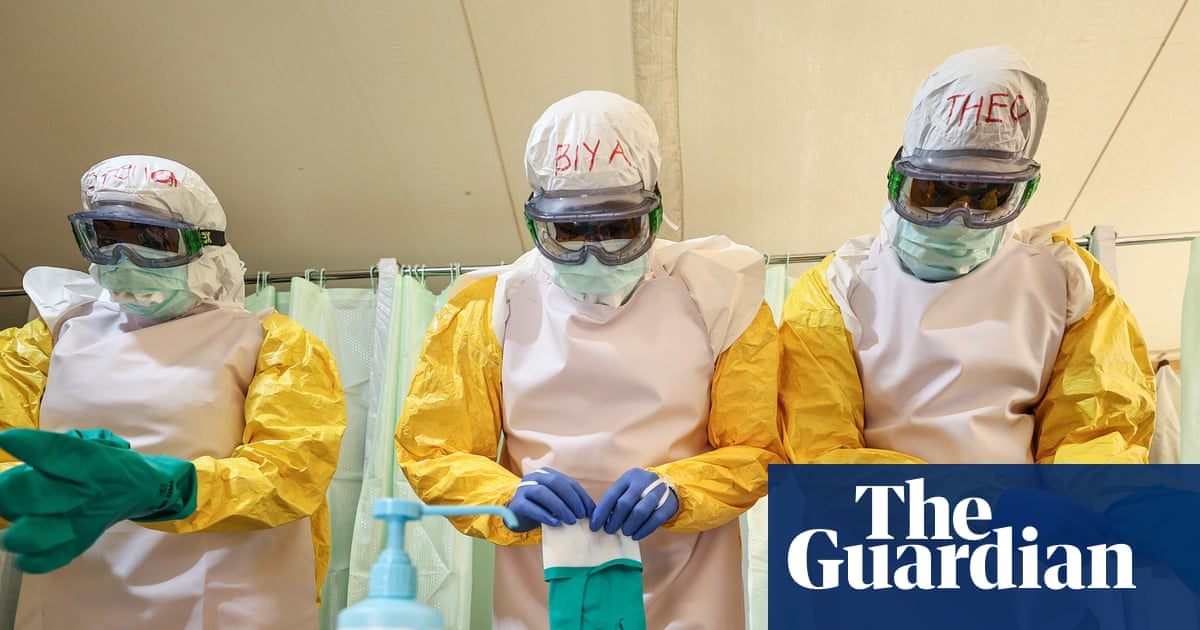
In response to the incident, officials have implemented extensive quarantine restrictions at the laboratory where Shipilova worked and in nearby hospitals. Staff members were confined to the institute for three days, sleeping on floors and chairs while tests were conducted.
WHO's Response
On Wednesday, WHO Director-General Tedros Adhanom Ghebreyesus remarked, "We don’t yet have the full picture of this event and we’re not able to conduct a full risk assessment. Timely, complete and transparent information sharing is essential to clarify conflicting reports and enable an accurate assessment of potential public risks."
Tedros also requested further clarification from the Russian government regarding unconfirmed media reports of "a second employee with pneumonia of undetermined cause." He stated, "We assess any reporting from the community. We asked Russia to respond to that. We’re waiting for an answer."