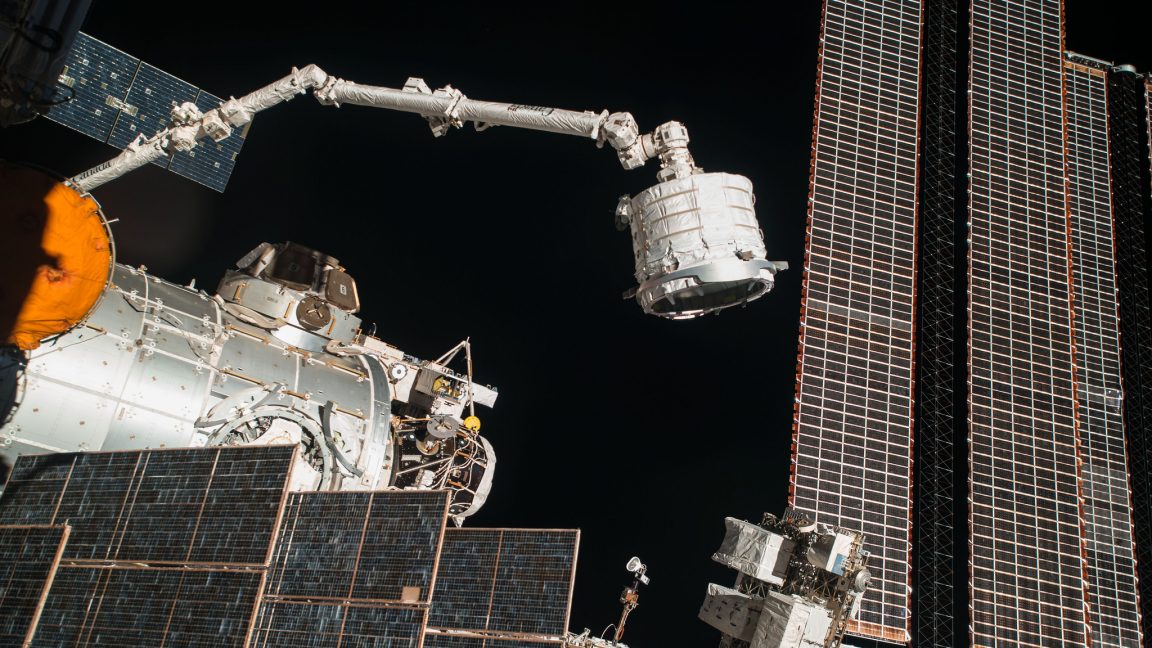

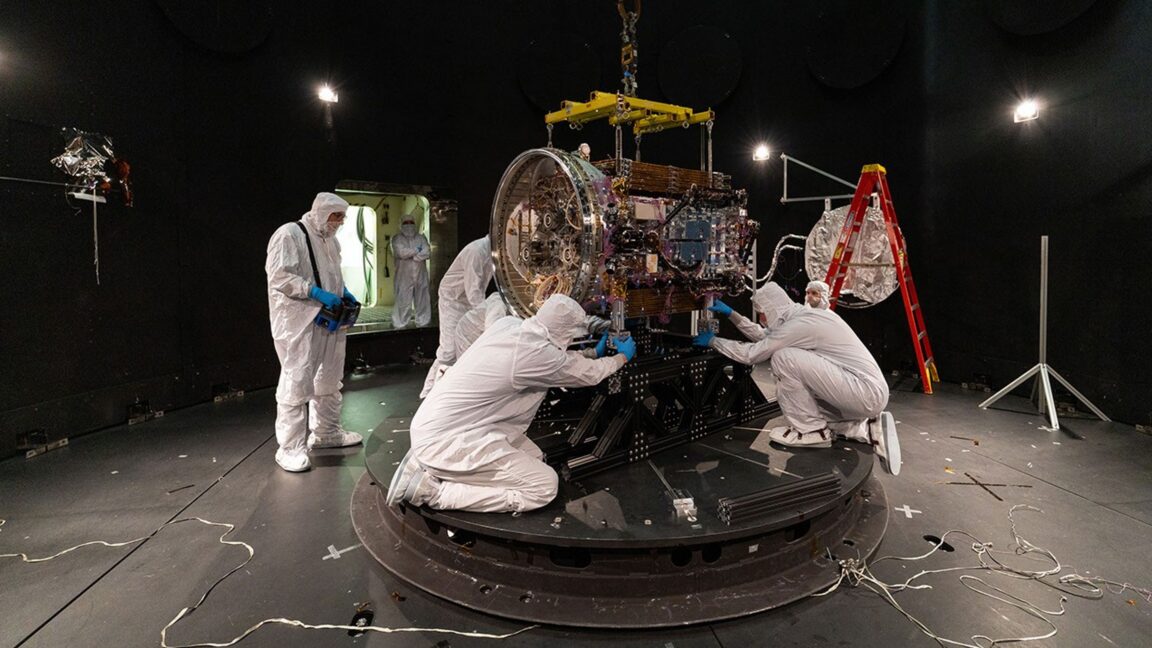
NASA's attempt to save the $500 million Neil Gehrels Swift Observatory from falling out of orbit has ended in disappointment, but the efforts behind the scenes have been noteworthy. The mission, developed by Katalyst Space Technologies under a $30 million contract awarded by NASA last September, aimed to boost Swift into a higher orbit.
Mission Overview
Katalyst was tasked with building and launching a satellite, named Link, to capture Swift, which orbits approximately 200 miles above Earth. The Link spacecraft successfully launched on July 3 and completed initial checkouts. However, a malfunction caused it to spin out of control shortly thereafter.
NASA announced in August that Link would not reach Swift as intended, leading to the mission's cancellation. Despite this setback, the design and construction of Link, as well as the challenges faced, were significant achievements in the realm of space technology.
Swift's Unique Capabilities
The Swift Observatory, launched in 2004, has unique capabilities that allow it to detect gamma-ray bursts, the most powerful explosions in the universe. Unfortunately, Swift was already on a trajectory to fall out of orbit due to its lack of a propulsion system and increased aerodynamic drag caused by recent solar activity.
Lessons Learned
NASA and Katalyst officials are now reviewing the mission to prepare for future satellite rescue operations. Shawn Domagal-Goldman, director of NASA’s astrophysics division, emphasized the importance of timely action: