
In a significant advancement for biosecurity, Google's DeepMind team has published a research paper detailing a new system that watermarks AI-designed proteins. This innovation aims to address the growing security threats posed by AI-based tools, particularly in the realm of biological design.
The Need for Biosecurity
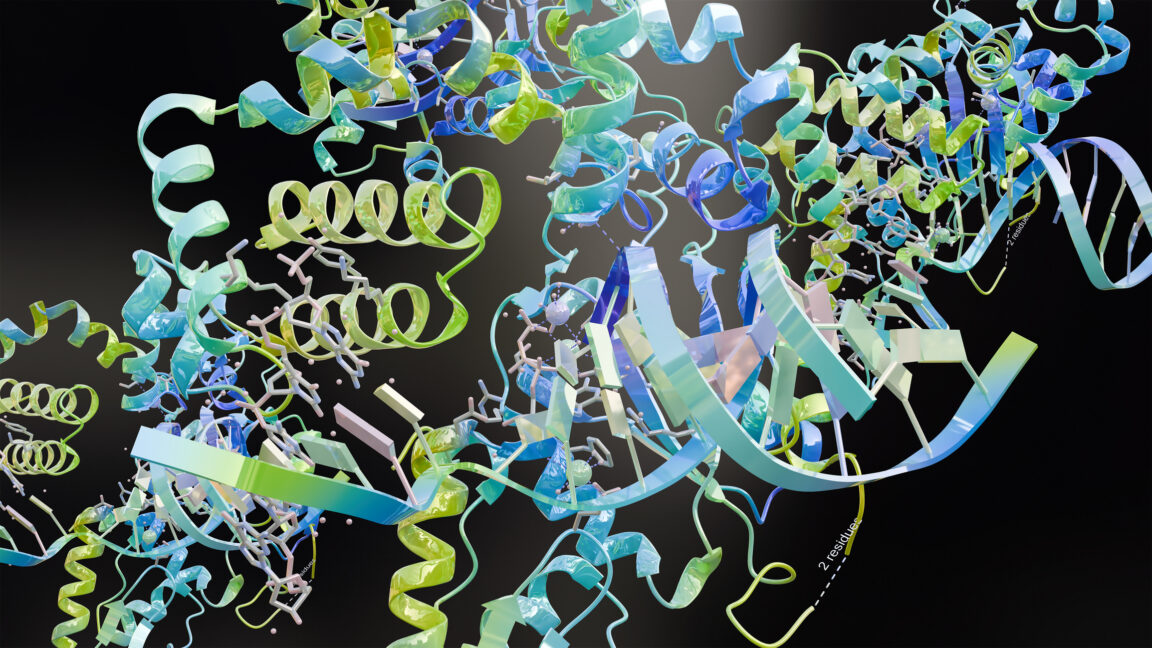
AI tools have been increasingly recognized for their potential to create not only beneficial proteins, such as enzymes that digest plastics, but also harmful substances like toxins. The challenge lies in the fact that existing software for identifying DNA sequences does not recognize AI-designed proteins, leaving a gap in biosecurity measures.
Introducing Protein Watermarking
On Wednesday, the DeepMind team introduced a solution: protein watermarking. This system embeds a watermark within the protein sequences without affecting their functionality, allowing researchers to identify proteins designed by trusted sources. The watermarking technology is based on Google's SynthID, which has been used to watermark AI-generated digital content.
How It Works
The watermark influences the AI's decision-making process during protein design, distributing the watermark throughout the final product. Unlike digital images, where watermarks can be visually subtle, embedding a watermark in proteins is more complex due to their small size and the critical role of each amino acid in maintaining structural integrity.