The Trades Union Congress (TUC) has reported that UK households have incurred an average of £13,961 in additional costs for mortgages, loans, energy, and water bills since 2021. This alarming figure comes as the TUC urges Chancellor John Healey to address the escalating living costs in the upcoming budget.
Context of the Cost of Living Crisis
With less than two weeks until Healey's first budget, the TUC highlights that the ongoing cost of living crisis is significantly impacting the economy, as struggling households are forced to cut back on spending. The report indicates that the UK has experienced the weakest growth in consumer spending among the G7 nations since before the pandemic.
According to the TUC's analysis of official figures, the average additional cost translates to approximately £2,792 per year, driven by soaring inflation linked to the aftermath of the Covid-19 pandemic and conflicts in Ukraine and the Middle East.
Statements from TUC Leadership
Paul Nowak, the TUC General Secretary, stated:
“"From austerity to the pandemic to energy shocks and Trumpflation, working people have borne the brunt of crisis after crisis. When the crackpots in the White House or the Kremlin launch an illegal war, everyone pays the price in their bills."
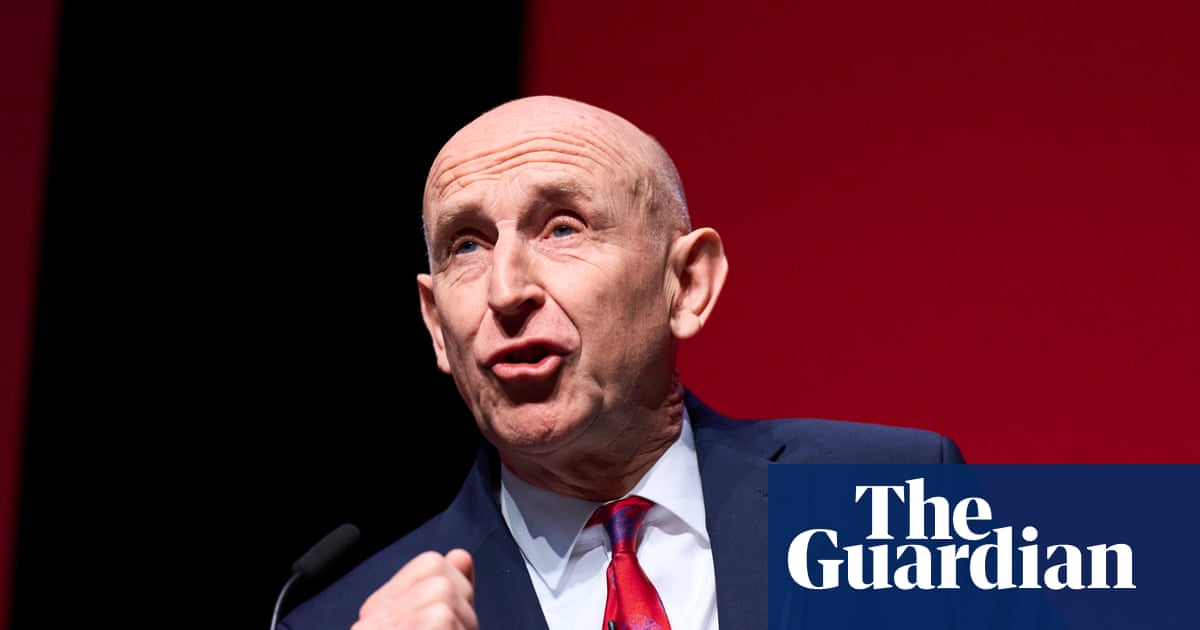
In a speech at the Labour Party conference in Liverpool, Healey pledged to provide households with "breathing space" in his budget scheduled for October 28. However, he cautioned that the government has limited resources to mitigate the global economic shocks affecting Britain.
Developments Leading to the Budget
The Treasury is preparing for a "tightly focused" budget to avoid market backlash from significant tax and spending measures. The International Monetary Fund (IMF) recently advised Healey to maintain efforts to reduce the budget deficit amid rising borrowing costs in global financial markets.
As winter approaches, there is increasing pressure on the Chancellor to take action to support households and businesses. Predictions suggest that consumer energy bills could soar to £2,000 per year for the typical household starting in January.