US inflation has risen more than anticipated in the year leading up to September, according to official figures released just before the midterm elections next month. The inflation rate increased to 3.7%, up from 3.4% in the previous year, primarily driven by soaring gasoline prices due to disruptions in Middle East energy supplies linked to the US-Israel conflict with Iran.
Context
The upcoming elections are heavily influenced by cost of living concerns across the United States. Inflation reflects the rate at which the prices of goods and services increase over time. For instance, if a bottle of milk costs $1 and rises to $1.10 a year later, the annual inflation rate for that product is 10%.
Officials from the Bureau of Labor Statistics measure inflation using the Consumer Price Index (CPI), which tracks price changes for hundreds of everyday items, including fresh food, gasoline, and medical services. This index is updated periodically to reflect changing consumer spending habits.
Factors Influencing Inflation
Several factors can contribute to rising inflation:
- Demand vs. Supply: If demand for a product exceeds its supply, producers may raise prices. For example, the recent craze for Labubu dolls has led to inflated resale prices.
- Higher Incomes: Increased incomes can boost demand, which in turn can lead to higher prices.
- Supply Constraints: A reduction in supply while demand remains constant can also drive prices up. For instance, crude oil prices surged from just over $70 a barrel to over $100 due to the conflict in the Middle East.
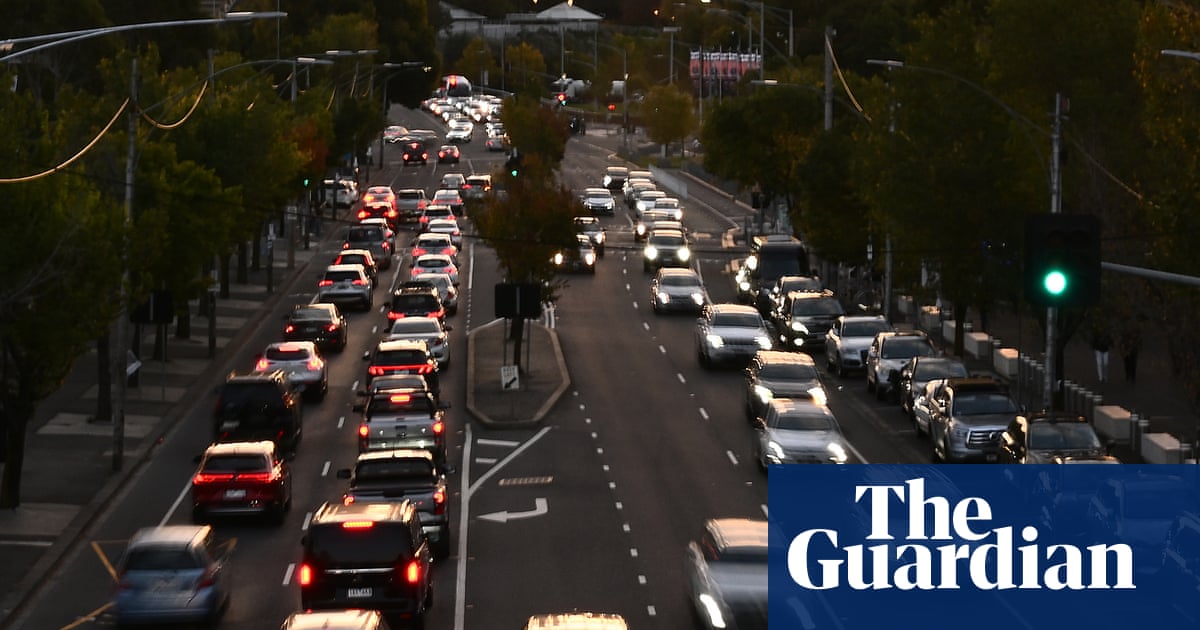
In September, car fuel prices jumped by 34.2% over the year, with a 9.1% increase in just that month, accounting for more than half of the overall inflation increase. Energy inflation rose by 20.4%, with fuel oil prices increasing by 74.2%.