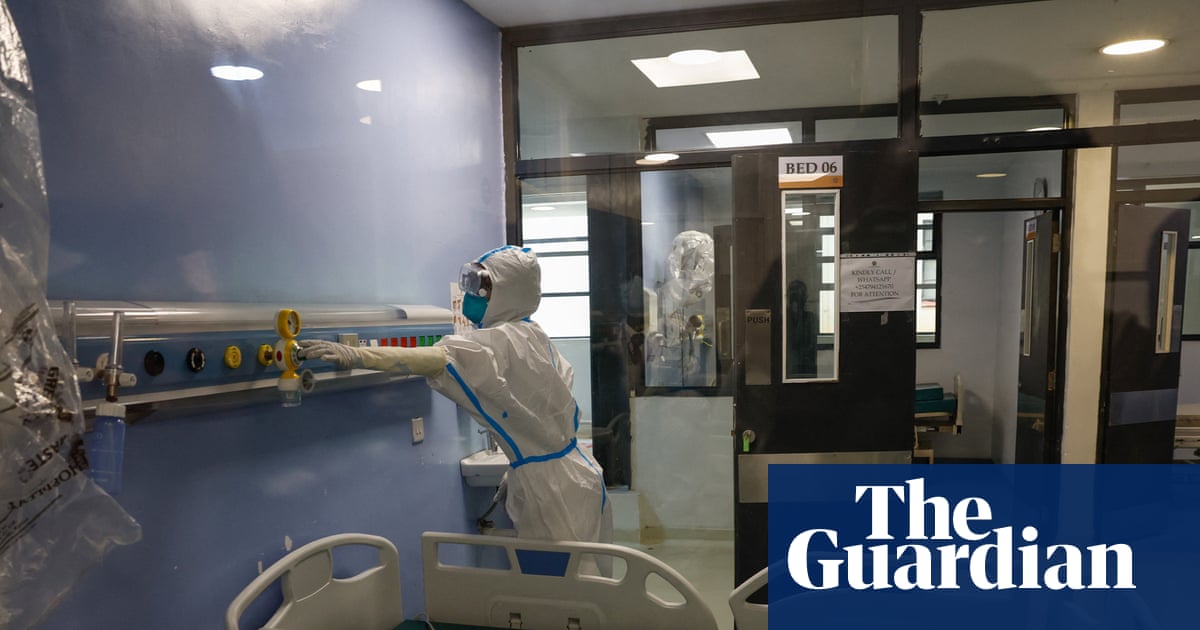


Medics across Africa have been on high alert since May, as Nigeria has recorded a case of Ebola in a female patient who traveled from Uganda to Abuja, the capital of Nigeria. Health Minister Muhammad Ali Pate confirmed that the diagnosis was validated by laboratory tests. The patient, who is reportedly the wife of a diplomat and not Nigerian, is currently in isolation and receiving medical care after being admitted to a hospital in Abuja.
Timeline of Events
- October 7: The patient developed symptoms four days after arriving in Nigeria.
- Health authorities have initiated contact-tracing efforts, identifying 44 close contacts of the woman.
Context of the Outbreak
Nigeria is the first West African country to report a case linked to the ongoing Ebola crisis in East Africa. The country successfully contained a previous outbreak in 2014. Meanwhile, Uganda's Ministry of Health has stated that there are currently no confirmed active Ebola cases within its borders. They urged the public to remain calm, vigilant, and to practice regular handwashing and sanitizing.
Understanding Ebola
Ebola is a rare but deadly disease caused by a virus. Symptoms include vomiting, diarrhea, and can lead to organ failure. Some patients may experience internal and external bleeding. The disease spreads through contact with infected bodily fluids such as blood or vomit. The ongoing outbreak in the Democratic Republic of Congo has claimed at least 4,600 lives and recorded over 9,500 cases, according to the European Centre for Disease Prevention and Control. This outbreak is attributed to the Bundibugyo species of Ebola, which is relatively rare and lacks an approved vaccine or treatment, although trials are underway.