
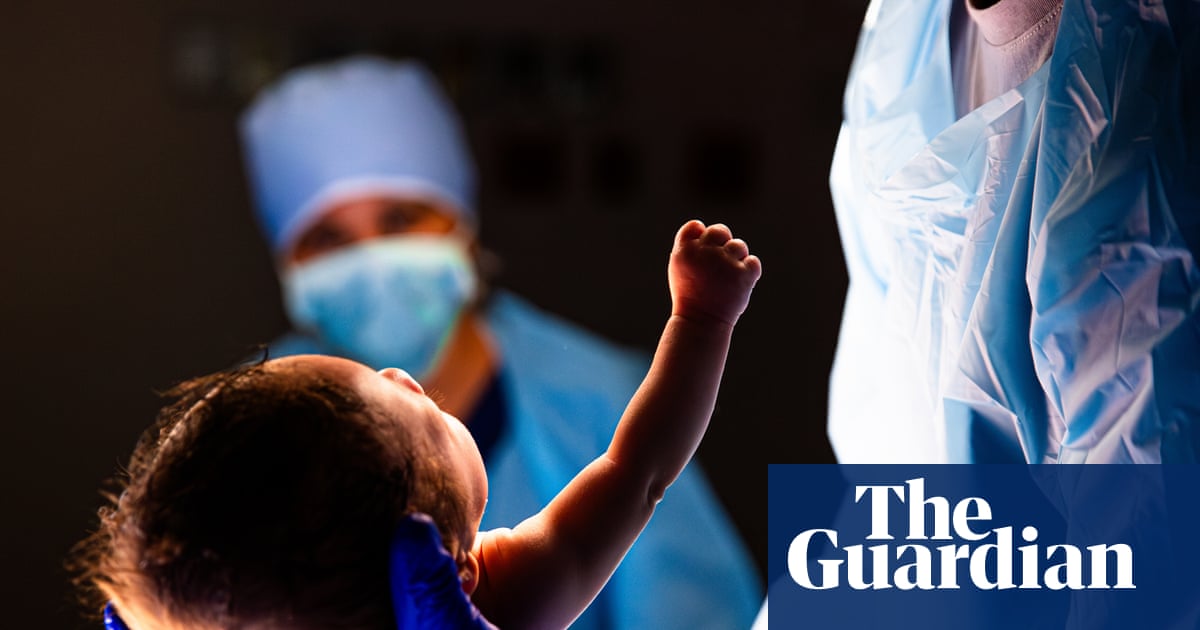
Up to 20 maternity units in England may face closure to ensure safe care for mothers and babies, according to Matthew Hopkins, the NHS Alliance’s director for acute care. He stated that the centralisation of childbirth services into fewer hospitals is "inevitable" due to shortages of doctors and rising caesarean section rates.
Context
Hopkins emphasized that the current configuration of maternity services is not fit for purpose. He urged ministers and MPs to show "courage" in supporting major changes, even if it means that expectant mothers in affected areas will have to travel further to give birth. He noted that many smaller maternity units, which deliver only 1,500 to 2,000 babies a year, are becoming unsustainable due to a lack of obstetricians and an increase in planned or emergency caesarean sections.
Key Points
- 20 of England’s 155 NHS units led by consultant obstetricians may need to shut or change their role.
- Smaller units are at risk, particularly in rural or coastal areas, where staffing is challenging.
- The consolidation of maternity services is seen as necessary for safer, more sustainable care.
Developments
Hopkins's comments have sparked backlash from obstetricians and midwives, who argue that maternity care should remain accessible near people's homes. Hannah Leonard, chief policy officer of the Royal College of Midwives, stated, "Women and families rely on local maternity units to be there when they need them."