

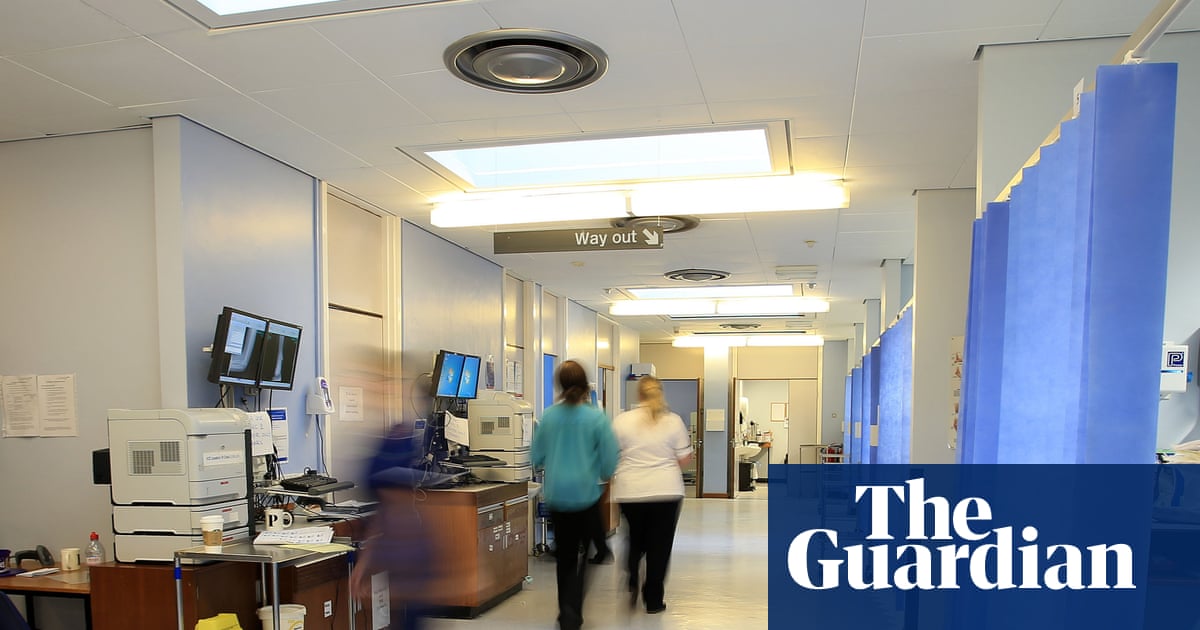
Trans people could face delays and a greater risk of "corridor care" under new NHS England guidance that prohibits them from using same-sex wards, according to an internal report.
Key Findings
An NHS England impact assessment, reviewed by the Guardian, indicates that the new policy may lead to discrimination against trans individuals, potentially causing them to avoid accessing healthcare altogether. The document evaluated the implications of the new guidance on single-sex spaces across various protected characteristics, including age, disability, and sex.
Positive Aspects
The report acknowledged that the policy's emphasis on "privacy, dignity and safety for men and women" could have positive outcomes, particularly for:
- Women who are pregnant or breastfeeding
- Individuals with specific religious beliefs
- Minority-ethnic groups
Adverse Impacts for Trans People
However, the assessment highlighted several potential adverse effects for trans individuals:
- Delays in care: Trans people may experience longer wait times and a heightened risk of being placed in "corridor care" if side rooms are unavailable.
- Fear of discrimination: There is a concern that trans individuals may be "outed" as trans when not accommodated in a ward that aligns with their lived gender, leading to distress.
- Capacity issues: Hospitals may lack the necessary side rooms, forcing trans patients into wards that correspond with their biological sex, which could be distressing.
- Animosity between groups: The policy might negatively affect relationships between cisgender and transgender individuals, as staff may have to balance the needs of both groups, potentially creating division.
- Questioning of identity: Some women who do not conform to societal expectations may face scrutiny regarding their sex when trying to access single-sex wards.