
As US support ebbs away, looming European elections and growing financial strains across the continent could fracture the precious coalition that has kept Ukraine afloat.
Europe woke up last Friday to another belligerent outburst from Donald Trump – this time berating Ukraine’s wartime leader Volodymyr Zelenskyy again. Just a few days after his diesel deal with the Kremlin, the US president said Zelenskyy was more difficult to deal with than Vladimir Putin and blamed Ukraine’s leader for rocketing oil prices – without any reference to the impact of his own war on Iran.
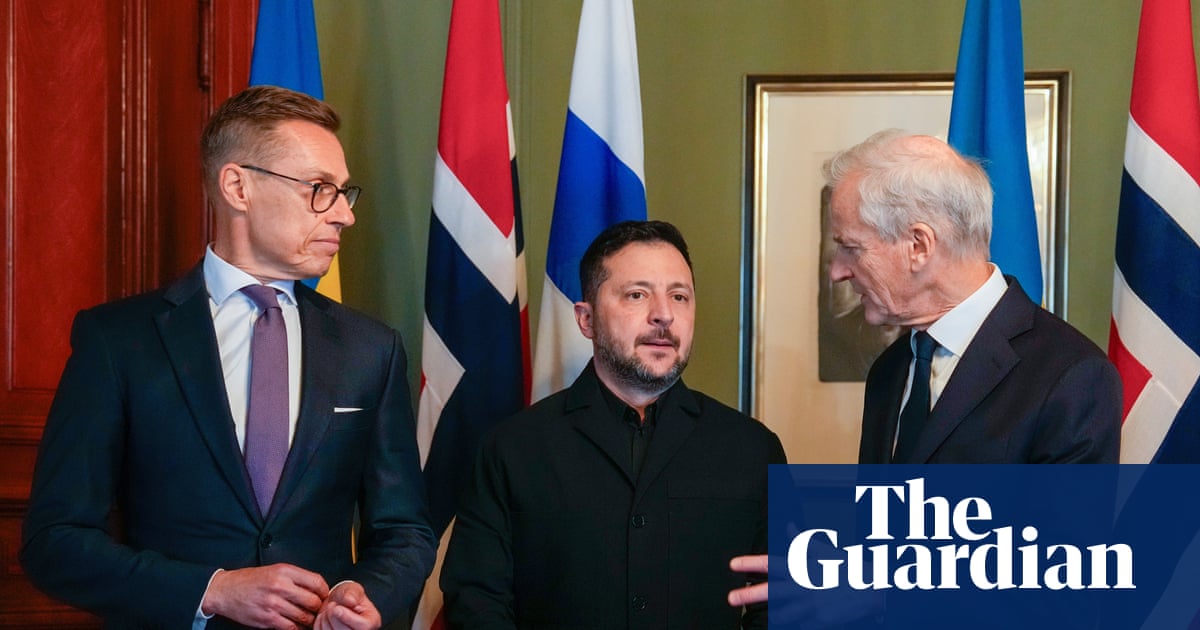
The contrast in Europe was obvious. When Zelenskyy walked into the multi-coloured summit room of the European Council headquarters in Brussels that Friday morning, the EU’s 27 leaders burst into applause, getting to their feet to offer big hugs and brisk handshakes. European Council president António Costa told Zelenskyy and the media:
““This is no time to withdraw the support to Ukraine,” calling instead for increased pressure on Russia.
Zelenskyy was thankful, pointedly saying he was happy to have “huge support” from “real leaders.” The symbolism was powerful. As US support crumbles, Europe seems to be stepping up. According to the Kiel Institut’s Ukraine Support Tracker, Europe – including non-EU countries such as the UK and Norway – has spent €236bn supporting Ukraine from 2022 to April 2026, compared with a US outlay of €115bn. While Trump is weakening sanctions, Europe is promising more. The EU has passed 21 rounds of sanctions against Russia and last year agreed to raise a €90bn loan for Ukraine – an unprecedented sum for a non-member state. Meanwhile, the EU has opened accession negotiations with Kyiv and given shelter to 4.4 million Ukrainian refugees.
Complex Outlook for Support
Behind the declarations of Europe’s enduring support, the outlook is more complex and less encouraging for Ukraine, as it approaches its fifth winter since the launch of Russia’s all-out invasion.
First, Europe is not able to replace US military dominance in areas such as intelligence. This was brutally exposed by the disruption to the US SpaceX technologies that Ukraine uses in frontline drone operations and air-defences protecting civilians from Russian air attacks. Zelenskyy said the US had intentionally throttled its Starlink satellite internet access, a charge that senior figures in the Trump administration have denied. Ukraine also depends on US-made Patriot interceptors capable of shooting down Russian ballistic missiles. Deepening the spat, Zelenskyy this week accused the Trump administration of preventing European countries from passing on their Patriot stocks to Ukraine.
Secondly, Europe’s monetary support for Ukraine is not evenly spread. Germany is the second-largest donor, having spent €54bn since the start of the war, a particularly crucial contribution since Trump ceased virtually all new US funding. But a report from the Kiel Institut describes this funding as “sizeable but not exceptional” given the scale of the German economy. Four Nordic countries together have given more than Germany, even though they total only a third of Germany’s population, the researchers note. The EU’s other big economies, France and Italy, give less than Germany. The Nordic, Baltic and other north European states are Ukraine’s most generous donors when contributions are measured against national income, according to the Kiel Institut. Denmark, for instance, spends an equivalent to 4.17% of its gross domestic product supporting Ukraine, and Estonia 3.77%, compared with 1.49% spent by Germany, 1.1% by France, 1% by Italy and 0.86% by the UK.