

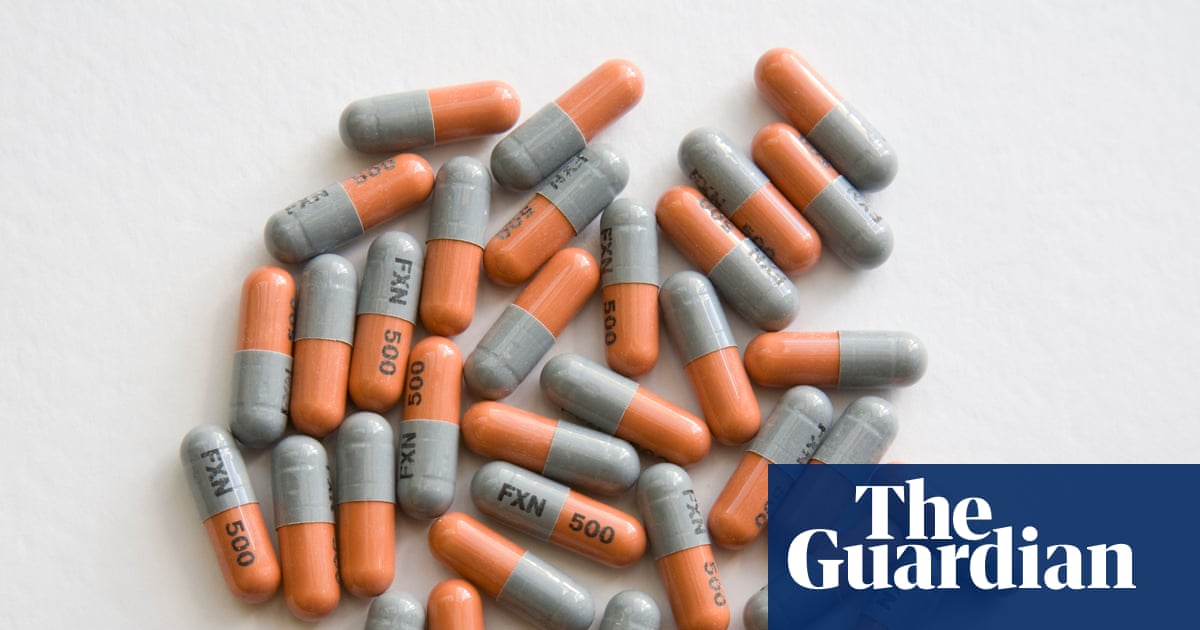
The Australasian Society of Clinical Immunology and Allergy has updated its guidelines, revealing that the majority of Australians who report a penicillin allergy are not truly allergic. This change aims to reduce hospital stays and combat antimicrobial resistance.
Key Findings
- Penicillin is one of the most commonly prescribed antibiotics in Australia, previously thought to cause allergies in 10% of the population, approximately 2.8 million people.
- Recent evidence indicates that up to 90% of those reporting a penicillin allergy do not actually have one.
Updated Guidelines
The new guidelines, published in the Journal of Allergy and Clinical Immunology, provide updated, peer-reviewed advice for general practitioners (GPs) and health professionals on diagnosing and managing penicillin allergies. This includes when to refer patients to specialists.
Prof. Michaela Lucas, a clinical immunologist, explained that misdiagnosis can occur for various reasons:
- Patients may experience a rash or nausea after taking penicillin and mistakenly assume it’s an allergy.
- Doctors may err on the side of caution, recording side effects as allergies.
- Some individuals carry a childhood diagnosis into adulthood without questioning it.
- Certain side effects may stem from the illness itself rather than the medication.