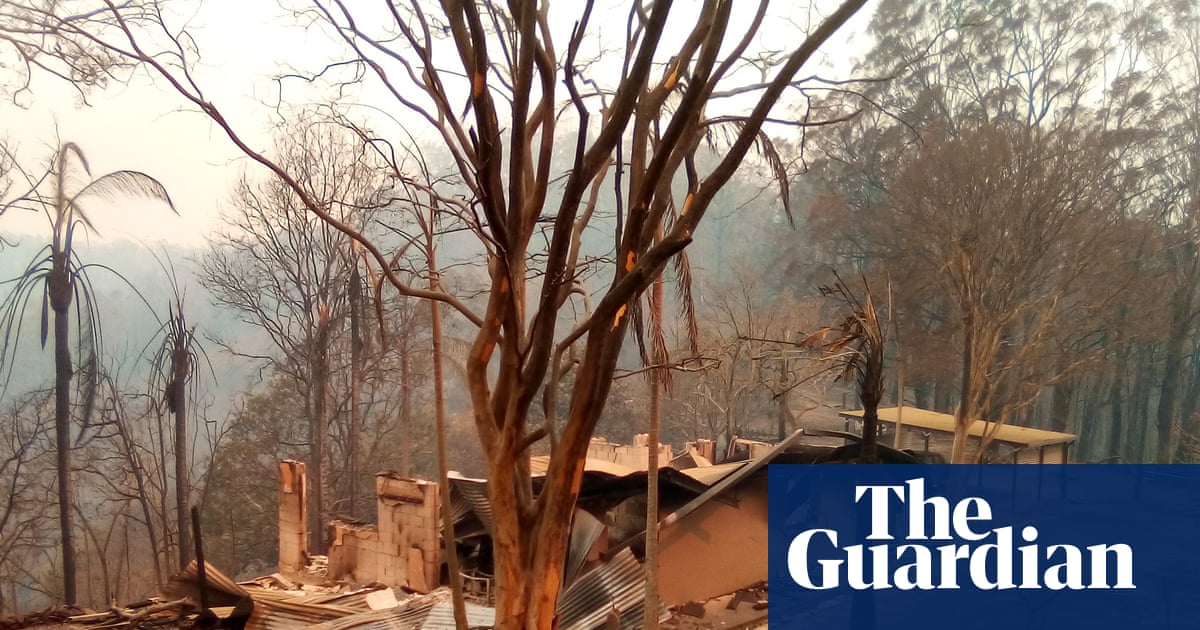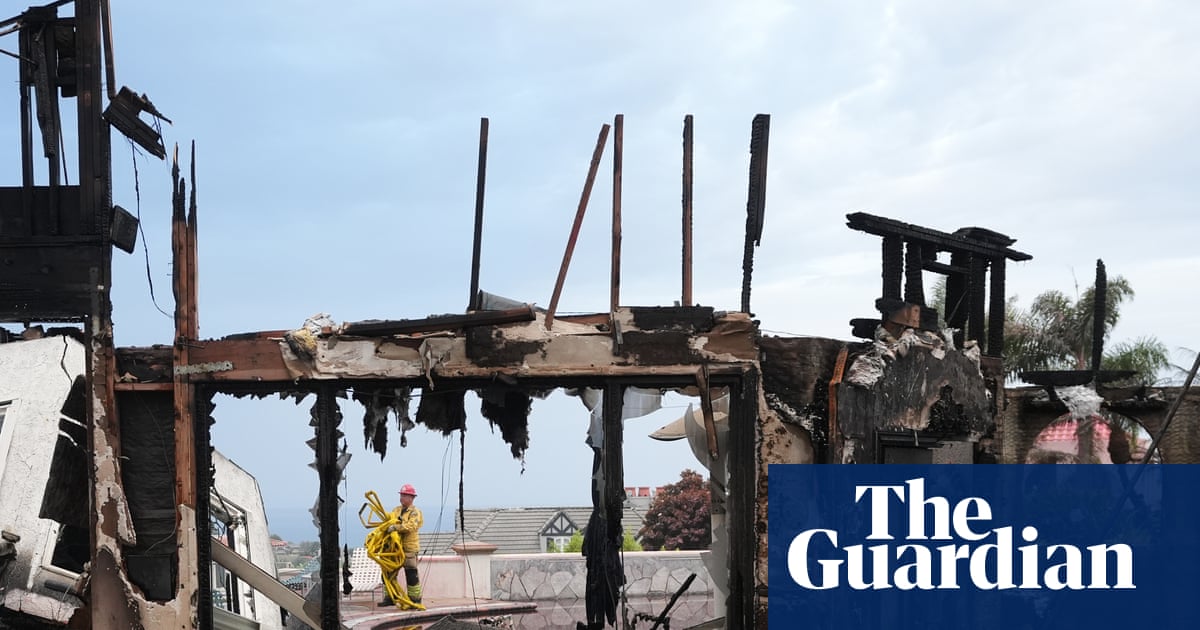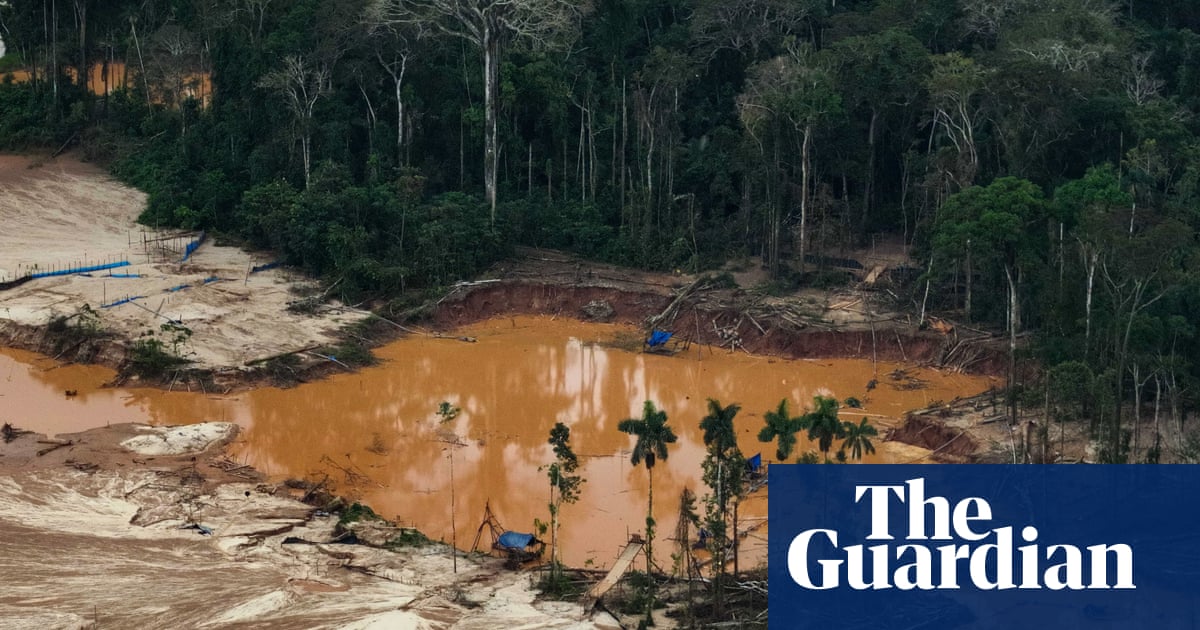


Firefighters have been battling stubborn blazes in Indonesian Borneo for weeks, as the region faces an environmental catastrophe that has blanketed large parts of Southeast Asia in a toxic haze. When the sun hits the smog, it casts everything in a rust-like color, creating an apocalyptic scene.
Health Concerns for Residents
Dianyra Eka Nastiti, a mother of three living in Palangkaraya, expresses her fears for her children's health. "Sometimes at night my baby's chest makes a rattling sound," she says, recalling her child's hospitalization for bronchopneumonia. "Every single night I worry: Will my child cough tomorrow? Those thoughts haunt me every night."
Since the start of the year, wildfires have torched approximately 1.9 million hectares across Indonesia, an area comparable to the size of New Jersey or the entire nation of Fiji. In September alone, around one million hectares are believed to have burned. The fallout has resulted in thick air filled with microparticles and carbon monoxide, affecting not only Indonesia but also drifting as far as Singapore, Malaysia, and the Philippines.
As of mid-October, Indonesia's Health Ministry reported over 277,000 cases of chronic coughs and acute respiratory infections, with more than 62,000 of those cases involving infants and toddlers under five. Natari Victoria, a 22-year-old resident, shared her experience: "The forest fires have had a huge impact, especially on everyone's health. I have young cousins, including babies, who are coughing too. It's really taking a toll on them."
The Toxic Haze
The haze from peat fires contains a complex mixture of pollutants that pose serious health risks. Tiny microparticles can penetrate deep into the lungs and even enter the bloodstream, leading to chronic lung diseases and increased risk of premature death. Riduan, head of the Palangkaraya Health Office, stated, "Here in Central Kalimantan, especially in Palangkaraya, the sky has turned yellow and hazy. It's not fresh oxygen; it's carbon dioxide and pollutants."