

Kenya is currently facing its first-ever outbreak of Ebola, with nine cases confirmed, including the initial patient who traveled from the Democratic Republic of Congo (DR Congo) and died two weeks ago. The outbreak has raised concerns about the potential for further spread, despite government assurances.
Current Situation
The confirmed cases include four relatives of the first victim, three health workers, and a hospital cleaner, all linked to the initial patient. The U.S. has issued a travel warning for its citizens, while neighboring countries like Uganda, Ethiopia, and Somalia are on high alert.
Since the outbreak began in DR Congo in May, over 4,000 people have died, making it the second deadliest outbreak of the disease. The International Rescue Committee has indicated that the risk of new cases entering Kenya remains steady due to the ongoing situation in DR Congo, which has reported more than 9,500 cases.
Government Response
The outbreak is attributed to the Bundibugyo species of the virus, which is relatively rare and lacks an approved vaccine or treatment, although trials are underway. In response to the outbreak, the Kenyan government has implemented several measures:
- Enhanced screening for travelers from 10 high-risk countries: DR Congo, Uganda, Tanzania, Rwanda, Burundi, Angola, Zambia, Ethiopia, South Sudan, and the Central African Republic.
- Travelers from these countries must complete a digital surveillance form and present a QR code upon arrival.
- Increased public health screening of aircraft arriving from these nations.
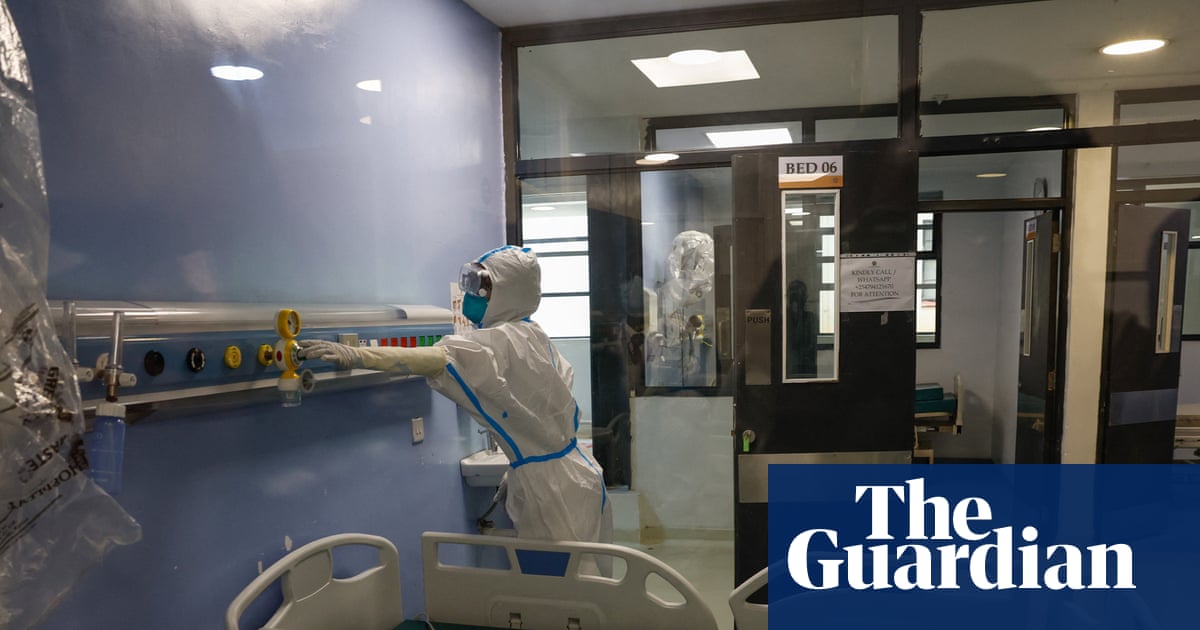
- Designation of treatment and isolation facilities across the country.
- Training of nearly 5,000 healthcare workers to manage Ebola cases.