
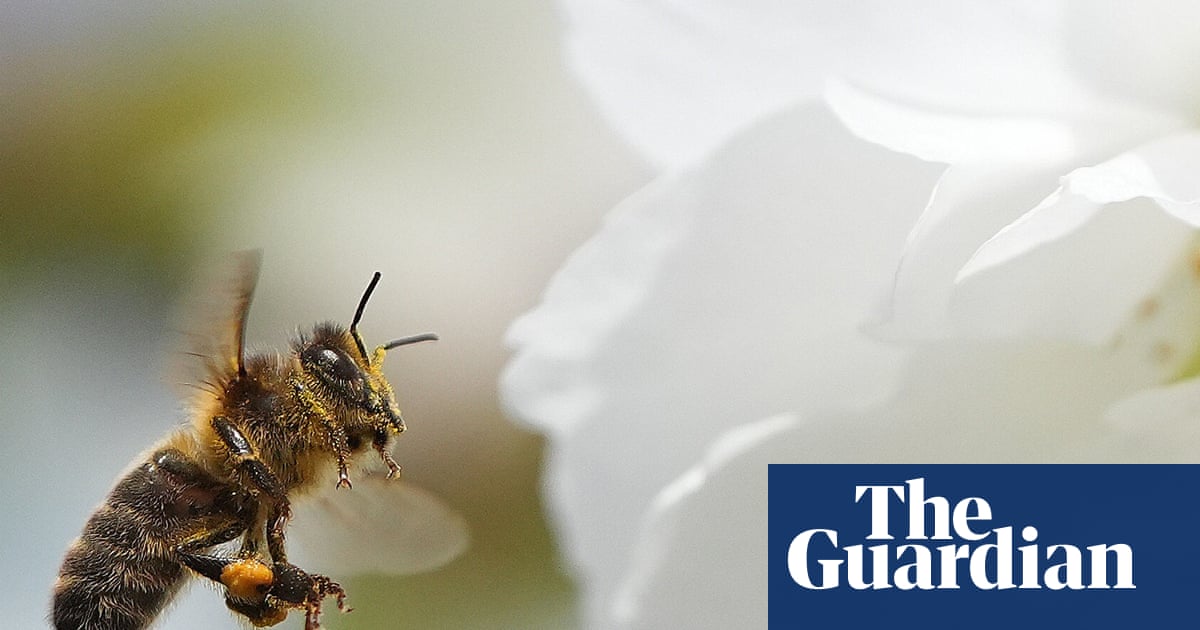
As the UN biodiversity summit kicks off in Armenia, a new study reveals that most of Europe’s wild bee species, along with about half of its hover fly species, have been in decline over the past century. Records dating back to 1921 indicate that more bee species are declining than increasing across all parts of Europe, with the exception of the Alpine region.
Decline in Pollinator Species
The study highlights a persistent drop in the richness of bee and hover fly species, particularly in the Atlantic and Continental regions. While trends in other regions show mixed or even positive results, the overall data, which encompasses 88% of bee and hover fly species on the continent, suggests a significant reshaping of pollinator communities. Scientists noted a gradual loss of sensitive species and the rise of a few resilient ones, warning of potential "deeper functional disruptions" if current trends are not addressed.
Importance of Pollinators
Nearly 90% of wild flowering plants and over 75% of major food crop types rely on animal pollination. The UN’s Food and Agriculture Organization has cautioned that the decline of pollinators triggers a chain reaction that threatens wildlife and undermines ecosystems' ability to cope with climate change and environmental stress.
Carlos Martínez-Núñez, an ecologist at the Spanish National Research Council and lead author of the study, emphasized that the findings reveal hidden biodiversity loss behind seemingly stable species numbers, stating, "This gives us a crucial opportunity to act before further declines occur." He added, "The fact that some species are increasing today does not mean they will remain winners as climate change and habitat loss intensify."