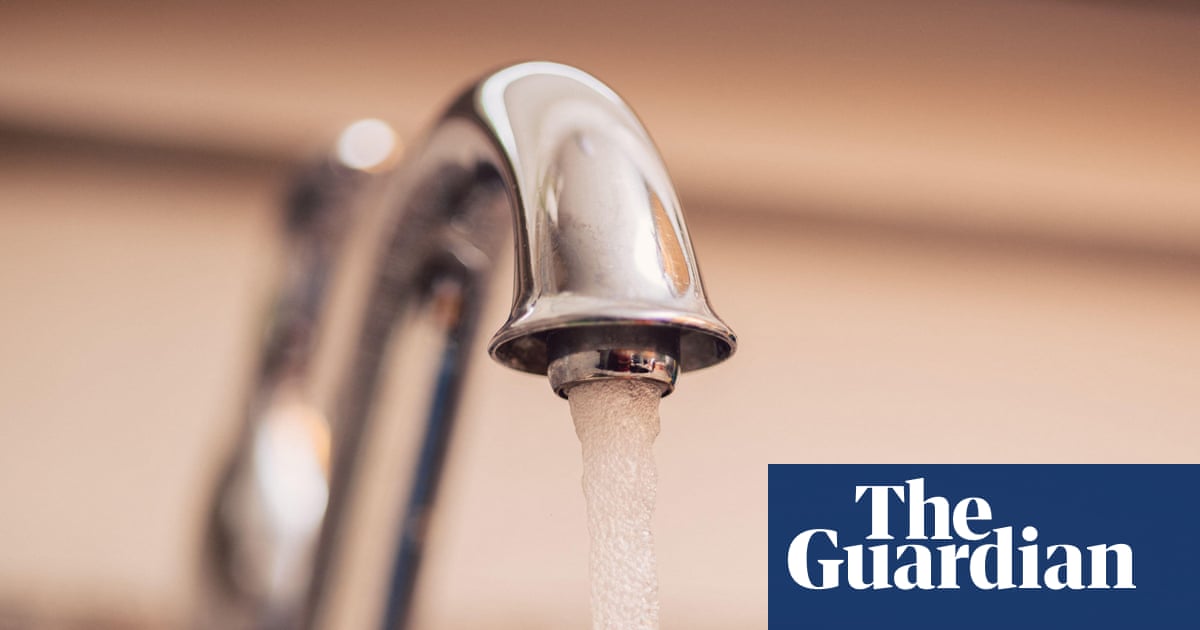

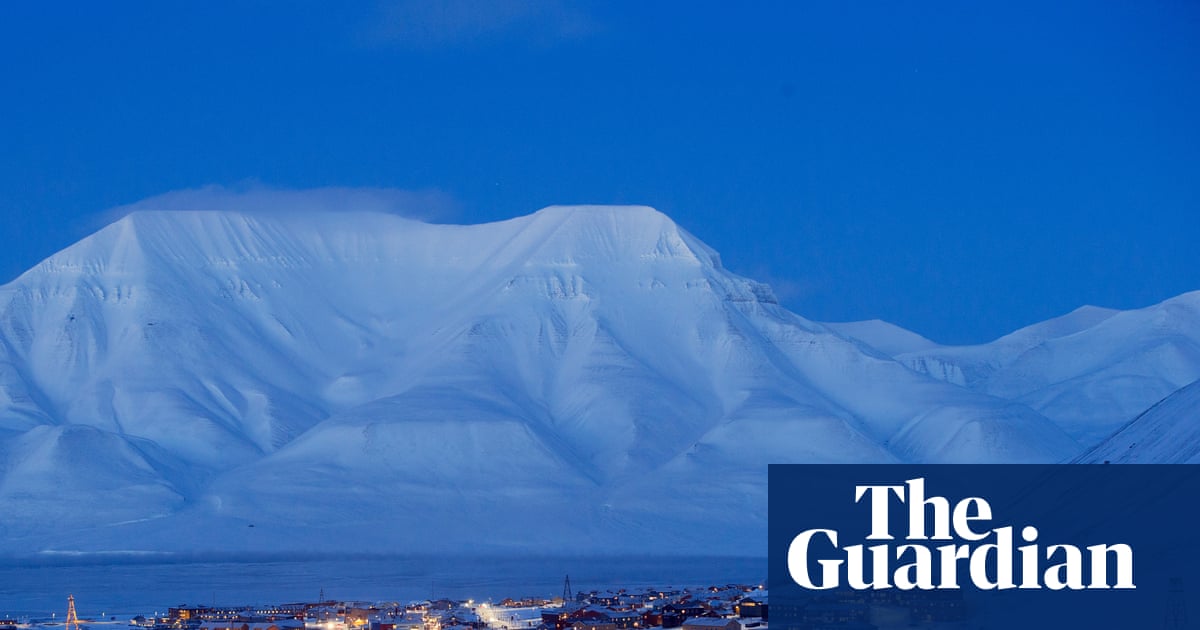
Residents of Longyearbyen, a remote town in Norway, have been advised against drinking tap water due to heavy metal contamination linked to thawing permafrost. This town, located in the Svalbard archipelago, is one of the fastest-warming places in the world, with temperatures rising significantly due to climate change.
Water Supply Contamination
The primary drinking water source for Longyearbyen is a 1.5 mile-long (2.5 km) dammed lake known as Isdammen, or "ice pond." As temperatures rise, permafrost is thawing, exposing bedrock that leaches metals into the water supply. Longyearbyen is warming at a rate five to seven times faster than the global average, with autumn temperatures increasing by up to 4°C per decade.
Causes of Contamination
Researchers attribute the heavy metal contamination to two main factors:
- The thawing of permafrost, which is the permanently frozen ground that only partially thaws in summer.
- The geology of the former mining town, particularly the presence of pyrite, or fool’s gold, in the shale bedrock.
Marjolaine Verret, a permafrost expert and associate professor at the University Centre in Svalbard, explained, "The acid produced can now leach heavy metals from these rocks into the waterways. The issue we’ve been having here in Longyearbyen is manganese, but other contaminants can be leached out from the rocks."
Health Risks and Municipal Response
In September 2022, the municipality, Longyearbyen lokalstyre, informed its 2,600 residents that manganese levels in the water supply were found to be 25 times higher than the recommended limit of 50 micrograms per liter set by the Norwegian Institute of Public Health. Mayor Terje Aunevik noted that while the drinking water quality had always been poor due to sediment, the manganese levels had "gone ballistic."