

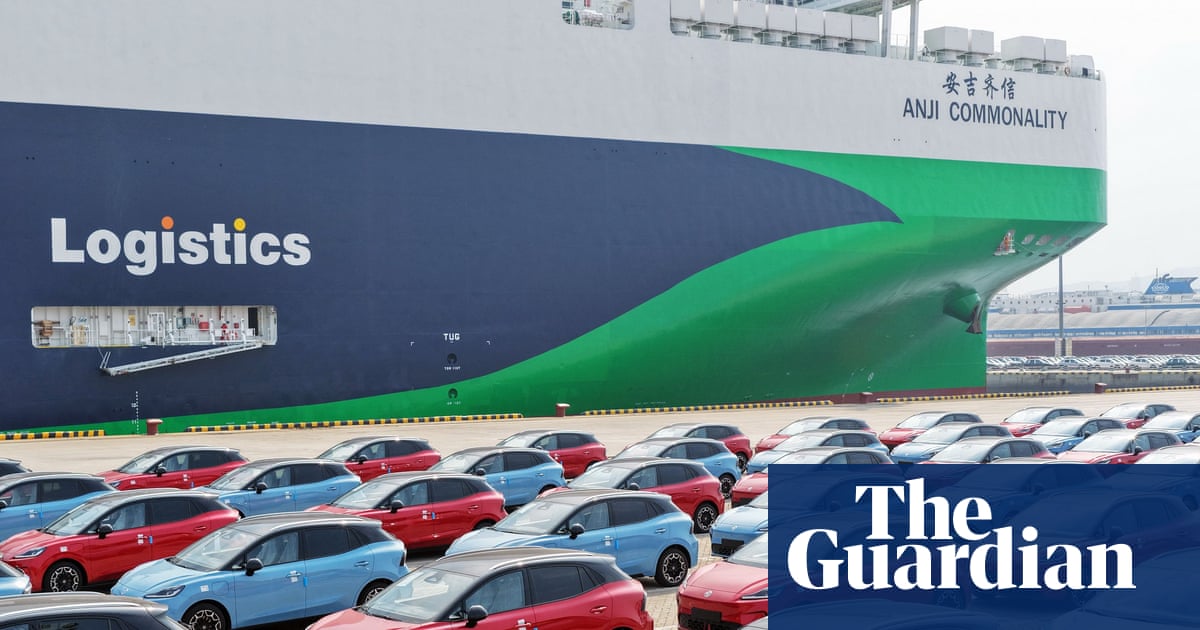
Britain's car industry is currently facing a difficult trade-off between the Chinese and European markets. As manufacturers navigate the complexities of both markets, they are under pressure to impose tariffs on inexpensive Chinese vehicle imports ahead of potential protectionist measures that could limit UK exports to the EU.
Current Situation
The UK has opted not to impose import taxes on Chinese vehicles, unlike the US, which has largely excluded them, and the EU, which has implemented duties of up to 45%. EU officials recently warned Andy Burnham that the UK must introduce tariffs on cheap Chinese vehicles; otherwise, Brussels would impose protectionist barriers on British exports to the EU, jeopardizing British carmakers in their largest market.
Government Response
Despite these warnings, UK ministers, including Jonathan Reynolds, the business secretary, have resisted calls for tariffs. Reynolds argued that any levies would likely be reciprocated, potentially costing UK manufacturers sales in China. Additionally, tariffs could raise prices for British consumers, who have increasingly turned to affordable Chinese models. This situation could deter brands like Chery, which is in discussions to establish production at Nissan’s Sunderland plant, from further investment in the UK.
““There is a difficult trade-off,” said Emily Sawicz from the consultancy RSM UK, emphasizing that the UK cannot afford to remain indecisive between the two markets indefinitely.
Market Dynamics
Chinese investment is viewed as a potential lifeline for carmakers, while access to the European market is crucial for smaller manufacturers. Sawicz noted, “Being excluded risks UK suppliers becoming increasingly shut out of those European opportunities.” Manufacturers are seeking clarity from the government to make informed long-term investment decisions.