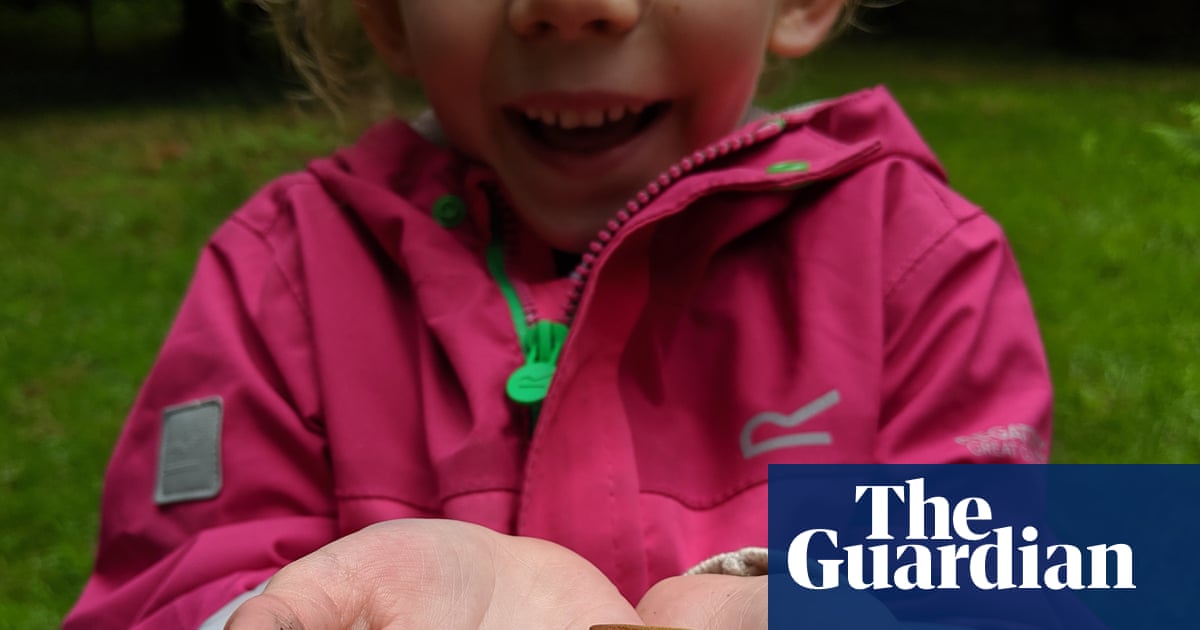

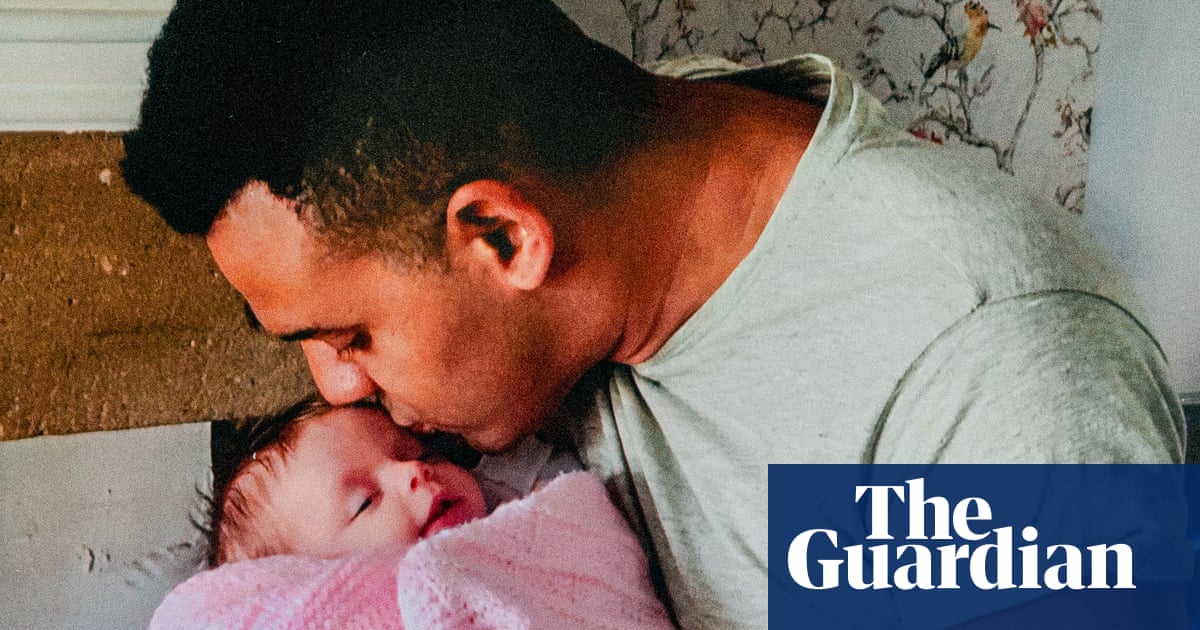
Those who have stepped in to keep young family members from going into care in England and Wales say the decision has brought them joy and hardship.
Clive vividly remembers the day when, without warning or time to work out what he was really letting himself in for, he became a kinship carer.
““The social worker left, the door closed and Savannah was lying there in a carry cot, wrapped up in a pink blanket. She looked so calm and so comfy, absolutely oblivious about what’s just happened.”
“There was this eerie silence in the house. It was just me and her and a little suitcase with some belongings in it. I burst into tears. I’m a teacher, but training as a teacher does not prepare you for looking after a baby.”
“I didn’t know how to change a baby’s nappy, I didn’t have a push chair, I didn’t have a cot, I didn’t know where she was going to sleep. I didn’t have anything.”
A few hours earlier, Clive, a primary school headteacher, had taken a call at work from children’s services. He assumed it would be about one of his pupils, but it was about his six-week-old niece. Would he, as a family member, take her into temporary care?
““So I, quite blase, said: ‘Yeah, no problem at all. I’ll need to put a few things in place, so just give me a couple of days.’ They were like: ‘No, she needs to come to you today. We need to drop her off at four o’clock.’”
“I was kind of like: ‘Well, what happens if I don’t say yes today?’ They said they’d have to come up with ‘other options’. So I started to panic: what if she goes into foster care or for adoption? So I said yes – and deal with the consequences later.”
“I went home and just sat there waiting. It was a bit bizarre because I don’t think I’ve ever been home at 3.30pm on a school day before. And then social care came, dropped her off. And that was that.”
“I’d only ever invested in my career. I was career-driven all the time. And then a baby was sprung on me that I’d never planned for.”
Clive, then 32, would now admit he was naive about the consequences of the decision that changed his life. Nine years on, with the “temporary” stay having become permanent, “Uncle Clive” is Savannah’s legal guardian, though she is in regular contact with her birth parents. He adores her, and theirs is a heartwarming kinship success story. She still has the pink blanket. But the path, he admits, while joyful and fulfilling, has not always been smooth.
““I would do it all again. It’s the best thing that could have happened for my niece. But at times it’s been quite isolating and exhausting.”
More than 141,000 children in England and Wales are like Savannah, being raised by kinship carers. These are normally relatives, like Clive, or family friends who step in to prevent children whose parents can no longer look after them from entering the care system. Despite the dependence of children’s services on kinship care – twice as many children enter kinship arrangements as are fostered – it remains startlingly informal, with few of the practical, legal and financial supports that accompany fostering or adoption. Often it can seem kinship care is invisible to policymakers.
Clive’s experience – being given just hours to make a momentous decision about whether to take over care of a loved one – is far from unusual. A new survey by the care charity Kinship found that four in 10 carers were given less than an hour to make a decision. A further fifth had less than 24 hours.
Alan and Julie, both 65, were given 10 minutes to decide whether they would care for their severely disabled grandchild Ella, who was then 10 months old. They had just got back home to Leeds after a holiday when they got the call from social services.
““They said: ‘This place closes in 10 minutes. We need to know if you are prepared to take the child on, or they will go into local authority care and you will probably never see them again,’” Alan recalls.
“Of course, it was a no-brainer. We said we’d take her on straight away, as we would any of our grandchildren.”