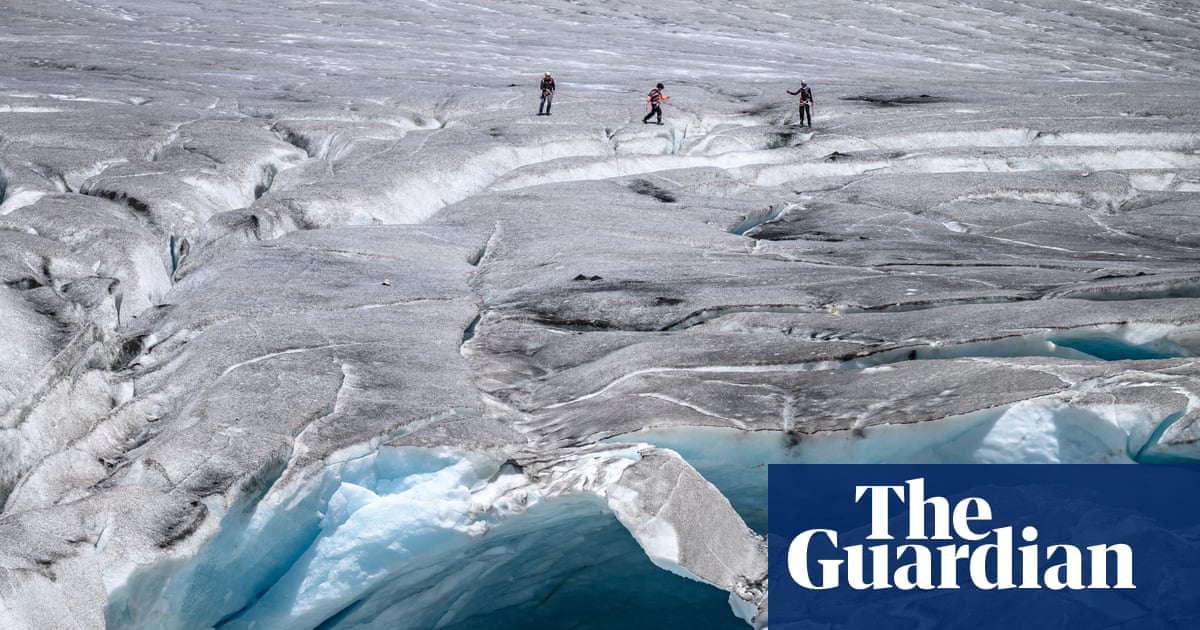


The Morteratsch Glacier in south-east Switzerland has experienced significant ice loss due to intense summer heatwaves, with new data revealing that Swiss glaciers have suffered a near-record loss of ice in 2026. Over 5% of the country's remaining glacier ice has disappeared in the last year, a phenomenon scientists describe as "extraordinary." This rapid melting poses a threat to water supplies for farming, hydropower, and transport in the coming decades.
Impact of Melting Glaciers
The loss of glacier ice can destabilize mountain slopes, increasing the risk of landslides and potentially leading to flash flooding, as seen in Nepal in August. While multiple factors contributed to that event, scientists indicate that long-term glacier thinning and thawing ground likely heightened the risks.
The Pace of Melting
The notable finding from this report is not just the shrinking of Swiss glaciers, which is expected in a warming climate driven by fossil fuel emissions, but the sheer pace of melting. Until recently, glaciologists considered a 2% loss in a single year to be "extreme." However, this year has seen an estimated 5.5% of ice disappear. Dr. Matthias Huss, director of Glacier Monitoring Switzerland, stated, "It's really just disastrous."
Swiss glaciers began the summer in a precarious state, covered by less snow than usual after a mild winter. Much of this snow melted quickly during the intense heatwaves of May and June, exposing the glacier ice beneath. Bare ice, being darker and less reflective than fresh snow, absorbs more solar energy, making glaciers more susceptible to rapid melting.