
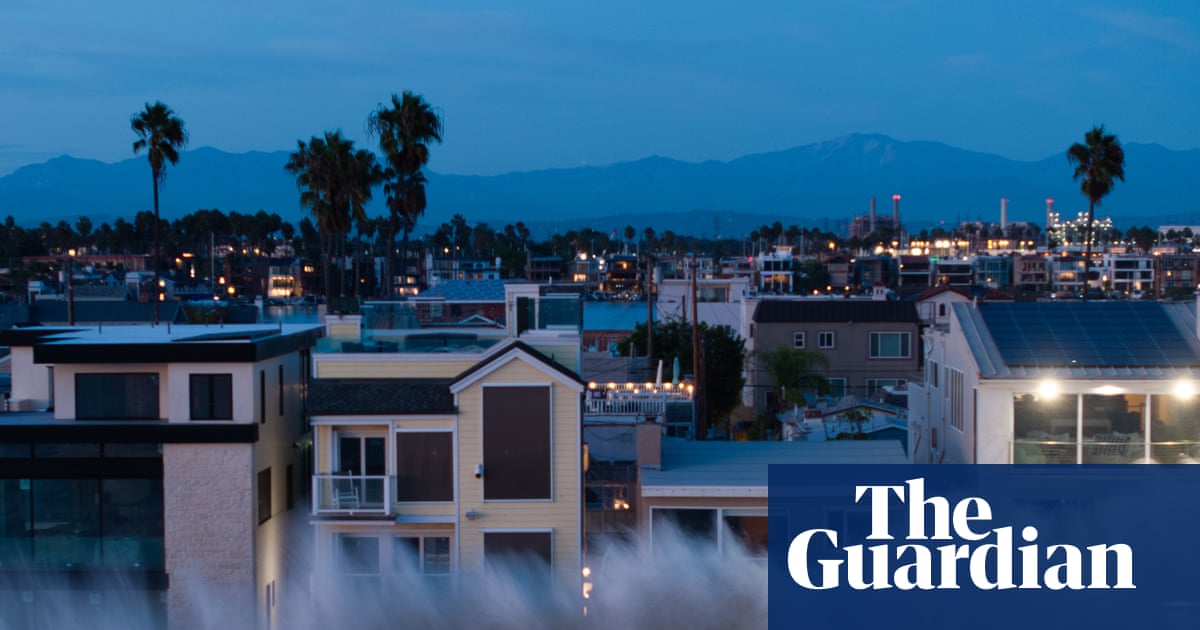
Communities across California are rushing to prepare for the imminent arrival of the so-called “Kelvin wave,” a massive underwater band of warm water threatening to inundate swaths of the vast North American shoreline. The wave is nearing southern California and is expected to reach the San Francisco Bay Area by early October, as it crawls toward Alaska.
Rising Waters
Scientists warn that waters could rise by a foot along the California coast, which could dramatically double the 8-12 inches rise in sea levels already caused by climate change over the last century. The Kelvin wave doesn’t climb and crash like a typical ocean wave; rather, it swells the tides from beneath the surface. It’s effectively a massive slosh of warm water, driven by El Niño conditions, that moves across the Pacific before colliding with the South American coastline and surging north.
Potential Hazards
According to Mike Jacox, a research oceanographer with the National Marine Fisheries Service, Kelvin waves aren’t always hazardous on their own, though they can reduce the growth of phytoplankton that form the base of the marine food web. He stated:
““But when there are very high tides or storm surges, their effects can be amplified.”
If the rising waters coincide with other climatic events, such as rainstorms and high tides, the phenomenon could swallow beaches, chew away bluffs and coastlines, and submerge streets, homes, and businesses. Dr. Jonathan Warrick, a research geologist at the US Geological Survey, warned:
““This coming Kelvin wave is just the beginning. The thing to look out for is what will happen in January, February, and March – that’s when we get the biggest storms, we get our largest waves and we have some very large tides.”
A Tumultuous Winter Ahead
Warrick emphasized that if these events align, their effects will compound, setting the stage for a tumultuous winter. He noted: