

Insects provide protection, sanitation, and even shelter to vertebrates, making them a priority for conservation efforts. According to a new study published in Nature Reviews Biodiversity on Wednesday, insects are more than just a food source for many vertebrates; they perform critical functions across ecosystems.
Key Findings
The study, led by Eliza Grames, an assistant professor of biological sciences at Binghamton University, highlights various ways insects support vertebrates, including:
- Protection: Birds and other animals build nests near wasps or stinging insects for safety from predators.
- Sanitation: Dung beetles and certain moths help clean up waste and debris, reducing parasite survival.
- Shelter: Birds, reptiles, and mammals utilize termite mounds and ant nests for stable temperatures and humidity.
Nearly three-quarters of terrestrial and freshwater vertebrates consume invertebrates, with insects often comprising a significant part of their diets. However, the relationship between insects and vertebrates extends beyond mere predation.
Unique Interactions
The study documents numerous less obvious dependencies:
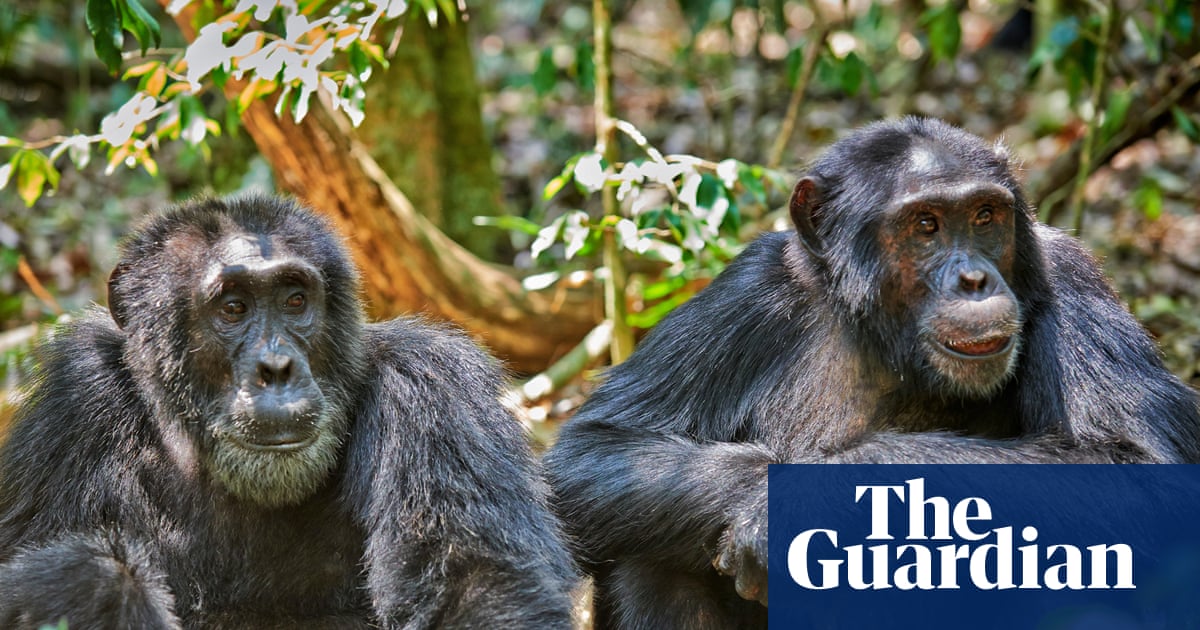
- Chimpanzees have been observed using insects to treat open wounds.
- Over 200 bird species employ ants to remove parasites or maintain feathers.
- White-throated round-eared bats excavate cavities in termite mounds for roosting.