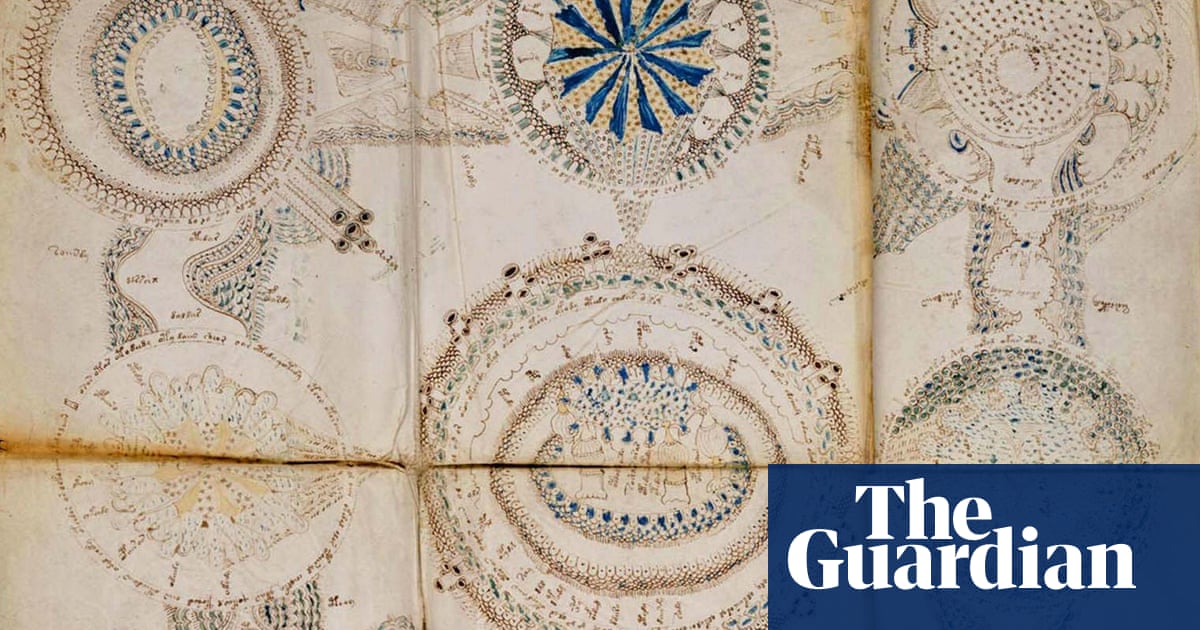
Researchers have proposed a groundbreaking theory regarding the Voynich manuscript, a medieval text filled with enigmatic botanical illustrations, astronomical diagrams, and indecipherable writing. This manuscript, often described as the world’s most mysterious book, has puzzled scholars for centuries, with interpretations ranging from a lost language to an elaborate hoax.
New Findings on Binding
In a recent article published in the peer-reviewed journal Digital Medievalist, researchers Colin Layfield and Lisa Fagin Davis argue that the manuscript's pages may have originally been arranged as "singulions"—similar to a stack of Christmas cards—but were mis-bound into a typical nested format in the mid to late 15th century. This misbinding could explain the longstanding confusion surrounding the manuscript's structure and meaning.
“"There are a lot of people who wanted the Voynich to have been created by one mad genius working in their attic in medieval London or wherever," said Davis. "In fact, the evidence suggests we’re talking about a more communal object, perhaps a set of booklets through which information was passed down from one generation to the next."
Historical Context
The Voynich manuscript first appeared in book collectors' records in the 17th century. It was purchased in 1912 by Wilfrid Voynich, a Polish revolutionary and book dealer, who believed it to be a scientific diary authored by the 13th-century polymath Roger Bacon. Other theories have attributed it to Leonardo da Vinci. However, recent chemical analyses have carbon-dated the parchment to between 1404 and 1438, ruling out these famous authors.