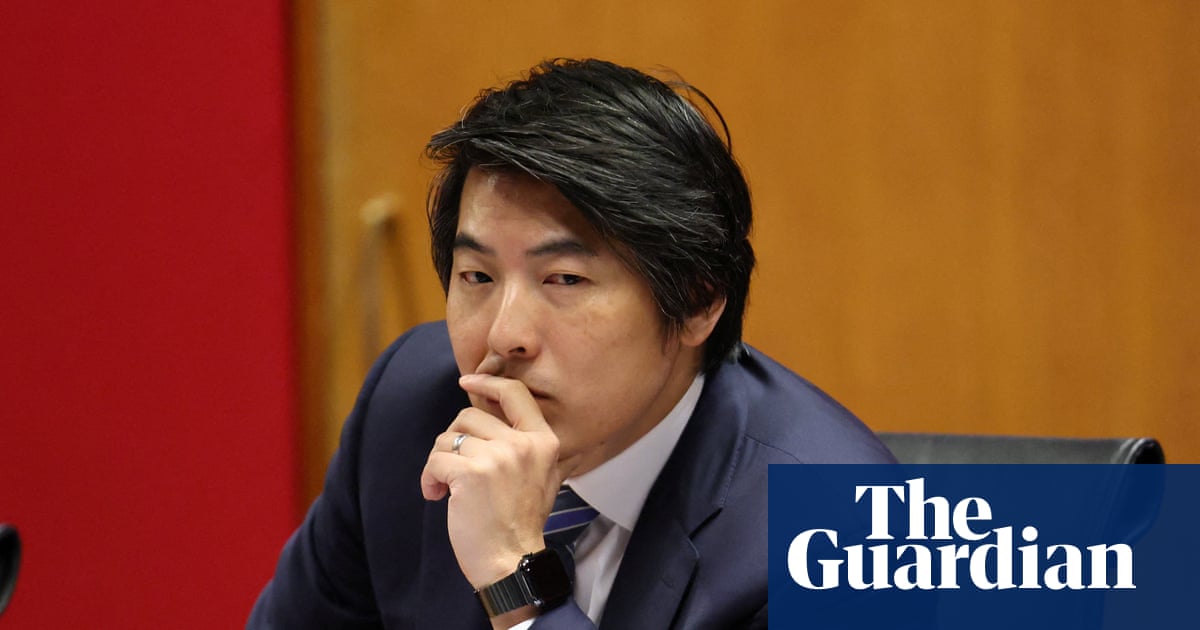


Jasmine Wang, Tomek Korbak, and Mikita Balesni, the three safety researchers that OpenAI fired last week, have published an open letter denying the firm’s claims that they mishandled sensitive information outside of established company procedures. They warned that their dismissal signals a chilling effect that will have ripple effects across the company’s culture.
““We have become concerned that internal and external communications around our firing have made our former colleagues afraid to speak and operate in ways that, until last week, were an integral part of working at OpenAI,” the researchers wrote Thursday in an open letter to OpenAI’s Safety and Security Committee, Safety Advisory Group, and Mission Advisory Council.
The researchers were dismissed after allegedly sharing confidential company information with a third-party AI safety organization. OpenAI stated that they violated the company’s policies by “accessing and handling sensitive company information.”
Concerns About Company Culture
In their letter, Wang, Korbak, and Balesni emphasized:
- AI is not a normal technology, and OpenAI is not a normal company.
- Those working on safety see risks before anyone else and rely on close collaboration with outside experts.
- The freedom to collaborate without fear is an essential safety mechanism.
They expressed that their firing represents a broader shift in OpenAI's culture, which previously encouraged workers to raise safety concerns and disagree openly. They noted that employees are now “unclear on where they stand” when behavior that was normal a month ago is suddenly grounds for dismissal.
““Given the significant safety concerns surrounding the development of AI, employees must not be left working in an environment where fear and unclear rules stymie AI safety work and weaken third-party accountability,” they wrote.
Denial of Misconduct
The researchers denied involvement in a leak to The Information regarding less monitorable architectures in OpenAI’s newest models. They also refuted claims of engaging with external parties outside the mandates of their jobs.