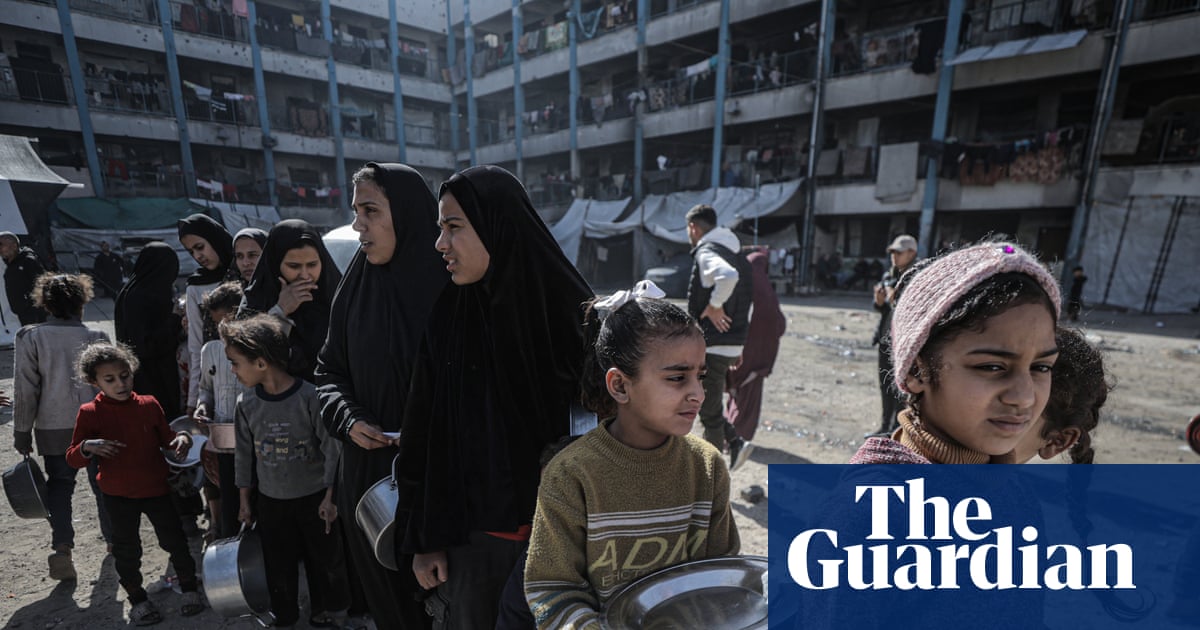


Every morning at 6am, 10-year-old Rafeef and her younger brother prepare for school, donning their cream and brown uniforms. Rafeef eagerly anticipates seeing her friends and learning various subjects, including maths, Arabic, and Islamic studies. She is particularly excited to start studying English next year. However, the journey to her school in Taiz, south-western Yemen, poses significant dangers beyond the usual perils of commuting.
The Risks of Education
Rafeef's school is located on a mountain at the edge of a valley known as no-man's land, a heavily contested front line in the ongoing civil war between forces supporting Yemen's internationally recognized government, backed by Saudi Arabia, and the Iran-backed Houthis. On one side of the school lies government-held territory, while Houthi sniper positions are situated on the other side. Rafeef's home is further down the mountain, and each day she must walk uphill with her back towards the snipers. "I'm afraid," she admits.
According to UNICEF, approximately 3.2 million children in Yemen were out of school even before the war escalated last month. The organization reports that thousands of children have been killed or maimed since the conflict began in 2014, with many more recruited by armed groups on both sides. Despite these risks, Rafeef expresses her determination to continue attending school, as it is her only opportunity to be with her friends. She dreams of becoming a doctor.
A Family's Journey
Rafeef's family relocated to Taiz from the coastal city of Hudaydah nine years ago, seeking safety from Houthi control. However, Taiz has also experienced intense fighting. Rafeef recalls a mortar attack two years ago that left her with a broken arm and a lasting scar. "Everyone was out except for me and my brother. Then a mortar came out of nowhere… shrapnel blew through the door and into the house," she recounts.