
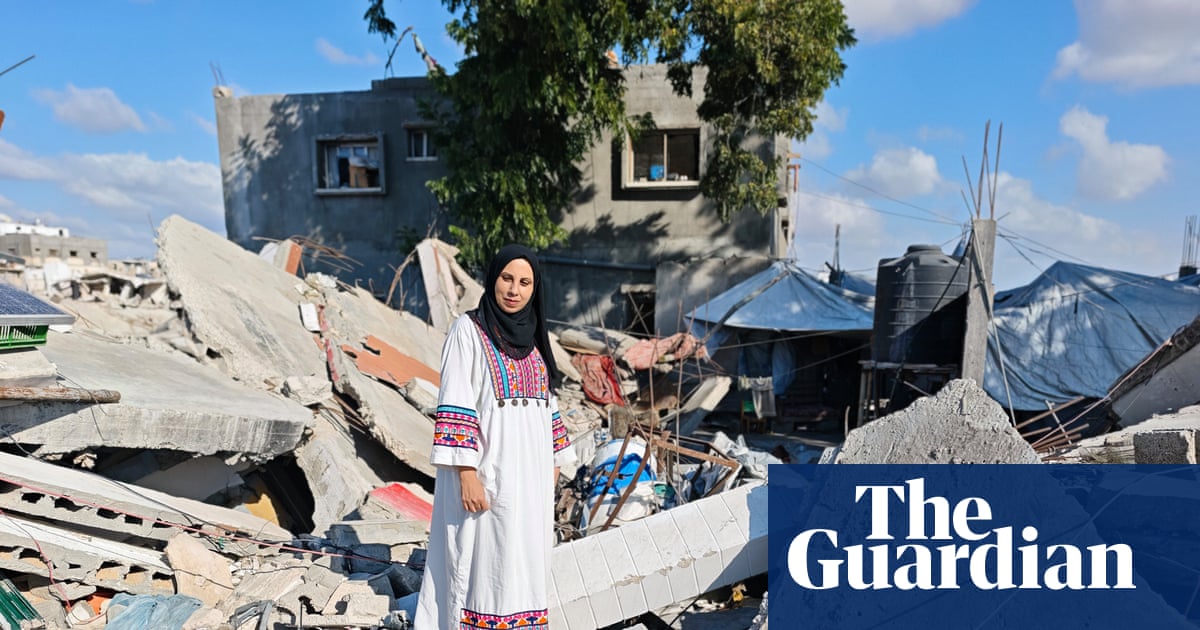
Behind the stories of bombings and mass deaths, the everyday challenges facing Palestinians living under siege portray a quieter tragedy we rarely hear.
A Morning Ritual in Gaza
What does it take to make a morning cup of tea in Gaza? For Alaa Hessi, in her final month of pregnancy, this small ritual begins with a calculation of gas rations. Her family receives a ration of 6kg of gas every three months – enough to heat a pot for 18 precious minutes a day. This is needed for cooking, so for tea, a fire must be built instead.
For 12-year-old Ramadan, the process begins with a hunt for anything flammable in an environment where there is almost no wood left. He scouts through the sand dunes where he lives, snaps off a few twigs from a thorn bush, and feeds the flames with pieces of discarded plastic that wash up on the beach.
Before boiling the kettle, there is the matter of water. With no running water, the question is whether a water truck visits the area that day, and if not, how far he must walk to find it. Transporting that water poses another challenge – how will Ramadan store it, given that all of his family’s large water containers have been chewed through by rats? And how does a small boy carry enough liquid for his family to wash, brush teeth, cook, and drink through the next 30°C summer day?
Finally, the water is boiling, but there is still the question of whether they even have tea, coffee, or sugar to brew. Holding the paper bag of rationed sugar sparks a memory of what those goods have sometimes cost to acquire. Crouched over the teapot, Ramadan recalls last year’s famine, when aid points became death traps, and he and his brother risked everything to sprint for a bag of flour or sugar. He remembers the boys he saw shot beside him, because they moved too soon or too late.
Life Beyond the Headlines
Most of the headlines we encounter about Gaza focus on extreme events: bombings, mass deaths, and targeted assassinations. These demand attention. However, there are aspects of life in Gaza that rarely make the headlines, yet have come to define the daily existence of its people. They are grinding, cruel realities that only emerge when you inspect the minutiae of a day – like making a cup of tea.