
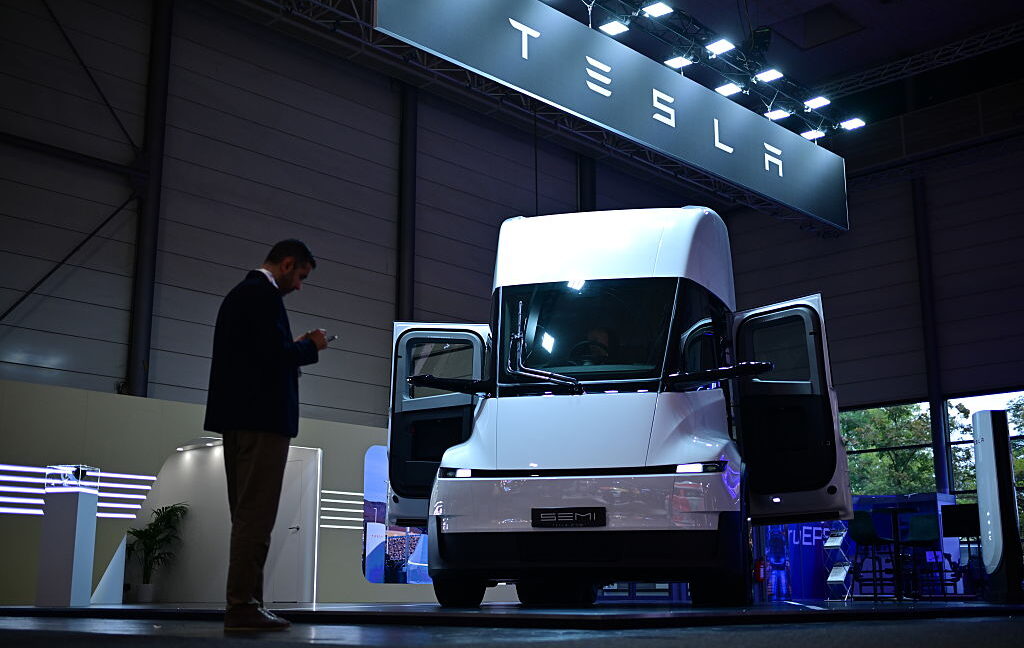
The Tesla Semi, an electric truck capable of traveling 500 miles per charge, was officially launched on Thursday at a special event in Sparks, Nevada. This marks a significant milestone for Tesla, as the company aims to cater to cost-conscious fleet managers in the trucking industry.
Background
The Semi concept was first introduced in late 2017, and nearly a decade later, Tesla has begun high-volume production. During the event, a select group of fleet managers were acknowledged for their orders, set to the backdrop of a pulsing techno beat. Elon Musk, Tesla's CEO, described the Semi as "really a driver’s truck. It’s like a sports car in truck form" in a pre-taped video.
Musk was notably absent from the event, attending a White House dinner with President Xi Jinping instead.
Specifications
- Long-range version: 500 miles per charge
- Standard version: 325 miles per charge
In comparison, competitor electric vehicles (EVs) offer ranges between 155 to 430 miles. Despite the promising specifications, the Tesla Semi faces significant challenges in the U.S. market.
Market Challenges
While electric trucks account for nearly 30% of heavy-duty truck sales in China, their adoption in the U.S. has been slow. Key challenges include:
- Higher upfront costs: Electric semis can cost two to three times more than traditional diesel trucks.
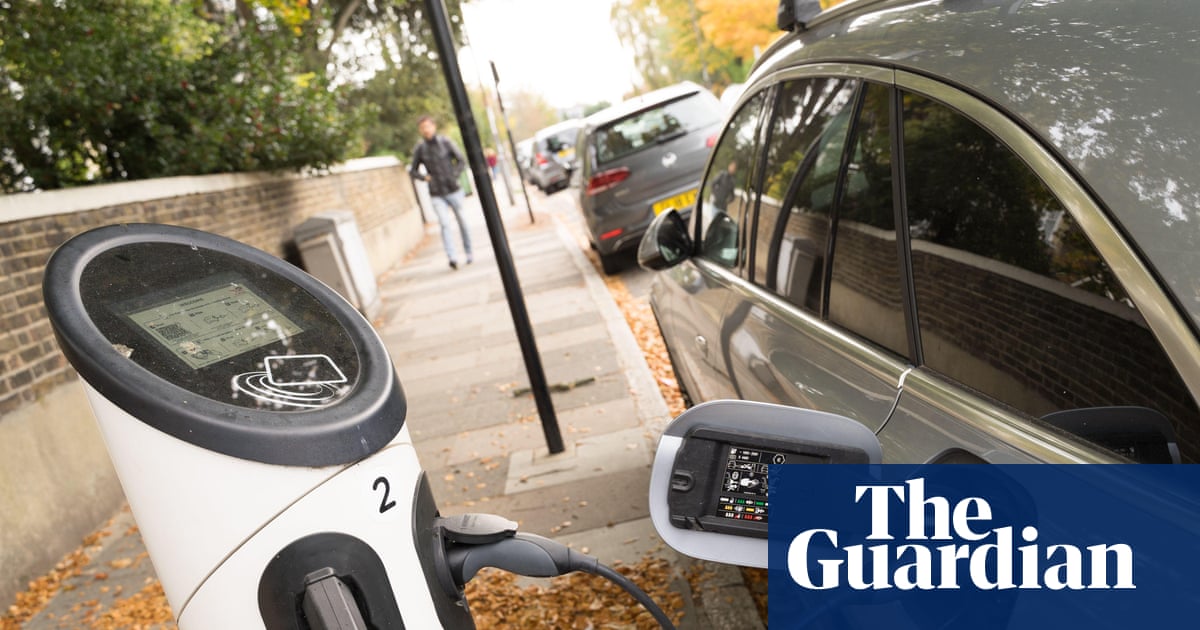
- Charging infrastructure: A nationwide network of specialized megawatt chargers is required to support electric trucks. Currently, only two public chargers are operational in the Los Angeles area, although Tesla plans to open 30 more by the end of the year.
- Regulatory hurdles: The previous administration cut billions in federal support for electric vehicles and is working to lower fuel economy standards for truck engines.