
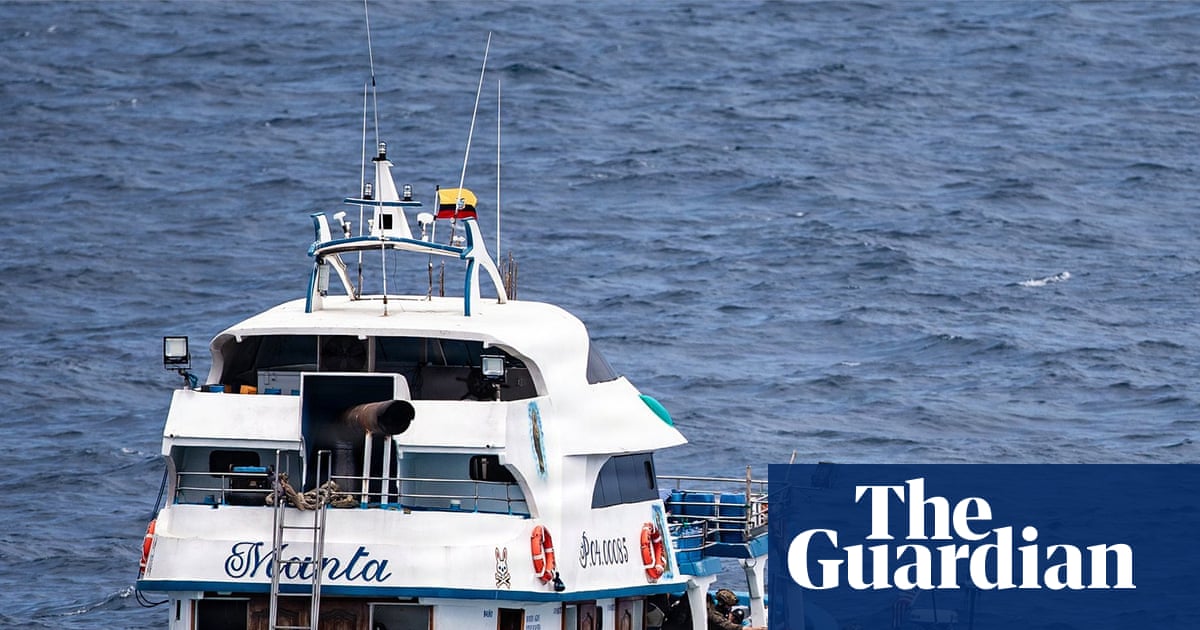
On September 8, a US patrol vessel intercepted the fishing boat Don Rufo in international waters near Ecuador, leading to significant humanitarian concerns. The incident occurred just a day before Marco Rubio, the US Secretary of State, was honored in Quito for his efforts to promote peace in the region. The captain of the boat, Mero Calderón, reported that the US forces were heavily armed and did not listen to their pleas, stating,
“"The gringos were all armed as if they were going to war. I tried to show them our catch to prove that we were there working, but they wouldn’t listen."
Calderón described how the crew was handcuffed, blindfolded, and taken aboard the US vessel, while their boat was destroyed. Six fishers were handed over to local authorities, but another ten crew members remained adrift until they were rescued by the Ecuadorian navy on September 10.
Context of the Operations
The US Southern Command claimed that the Don Rufo was being used by a gang as a "floating refueling station" for drug trafficking, a claim the fishers deny. This incident was part of a series of operations against Ecuadorian boats, with the latest occurring on September 16. Unlike previous airstrikes that resulted in casualties, these operations have seen crews removed before vessels were sunk, with the support of Ecuador’s far-right president, Daniel Noboa.
Shift in US Military Strategy
Former President Donald Trump has likened the drug trafficking situation to the fight against the Islamic State, advocating for extreme measures against traffickers. Analysts suggest that this marks a new phase in the US military strategy against drug trafficking in Latin America. Will Freeman, a fellow for Latin America studies at the Council on Foreign Relations, noted that Noboa has positioned Ecuador as a testing ground for these new tactics.