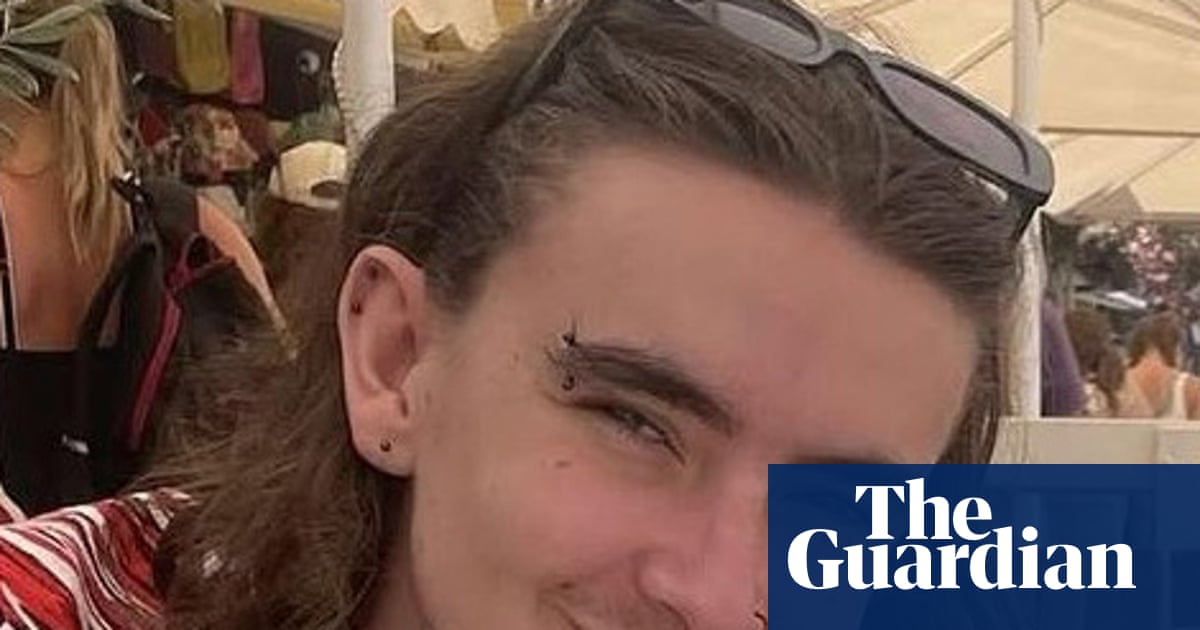
Congress has called on Match Group and other dating app companies to enhance their efforts in assisting victims of romance scams, such as Mary, who lost nearly $100,000 to a scammer she met on the dating app Plenty of Fish in 2024.
The Scam Experience
Mary, who requested anonymity, recounted her experience in an interview with the Guardian. She was searching for a connection but instead fell victim to a romance scam that escalated quickly.
““There was a lot of conversation, and then it started with the constant contact, pressure and repeated asks for money,” she said. “It just escalated really, really quickly.”
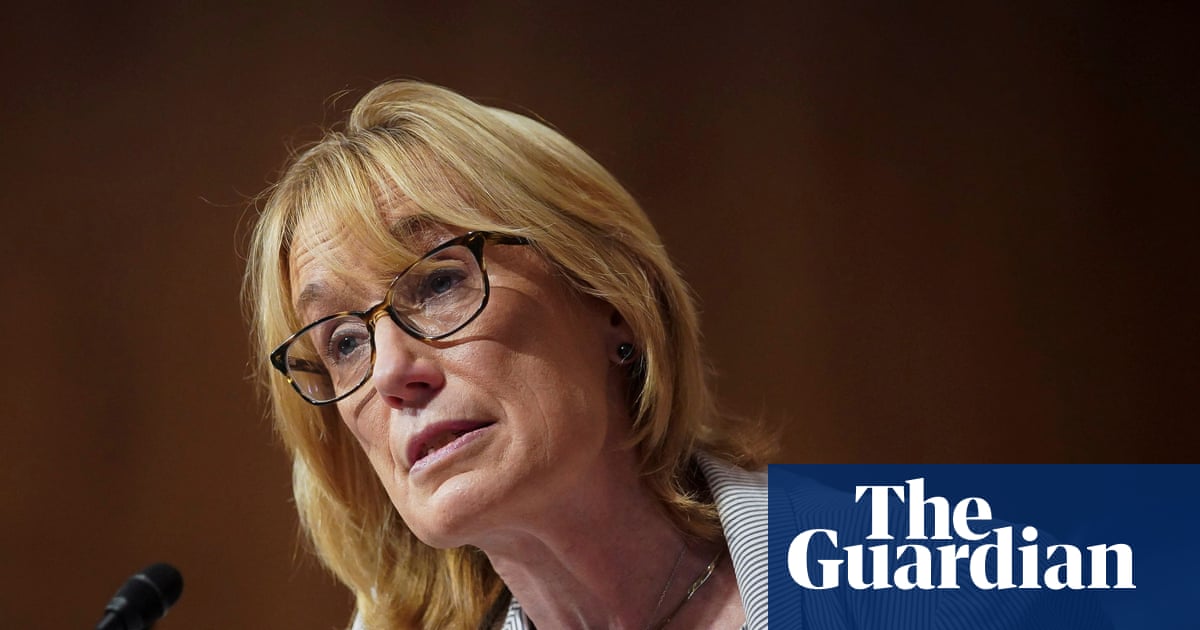
Mary was among several individuals who spoke to staffers from the US Congress’s joint economic committee as part of an investigation led by Senators Maggie Hassan (D-NH) and Marsha Blackburn (R-TN) into romance scams on platforms owned by Match Group. The company operates popular apps such as Tinder, Hinge, and Match (formerly Match.com).
Financial Impact of Romance Scams
The investigation revealed that romance scams have become a significant form of financial fraud in the United States, costing Americans at least $1.3 billion annually. On Tuesday, a report detailing the findings of this investigation was published.
Internal documents from Match Group indicated that as of the second half of 2025, Tinder had not updated most of its machine learning models for years. Consequently, the app struggled to detect scammers and other malicious actors effectively.
Data showed that through the third quarter of 2025, nearly 1.5 million scammers or bad actors on Tinder and Hinge had matched with at least one user, with approximately 500,000 of those accounts exchanging contact information with others.