
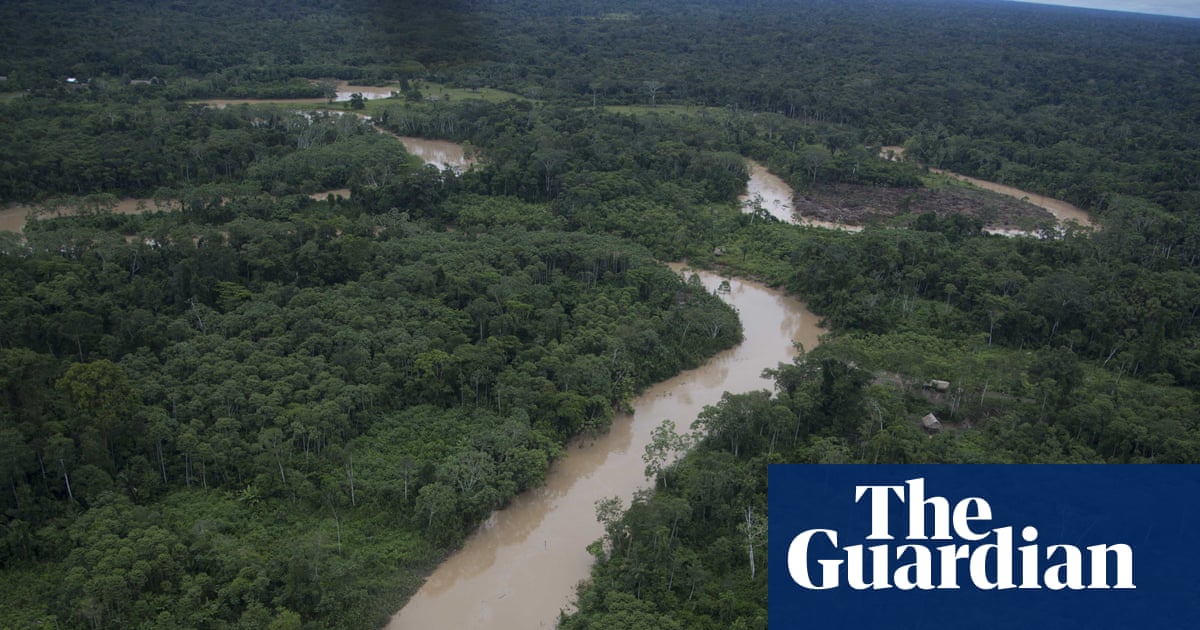
Researchers have found that a pioneering project providing Indigenous people in the Peruvian Amazon with an unconditional basic income has contributed to the protection of the rainforest. This study, conducted by the University of Bath, is expected to inform the ongoing debate about the role of direct payments to communities that maintain globally important ecosystems.
Project Overview
The two-year pilot, managed by the UK-based charity Cool Earth, provided 211 people in three communities in Peru’s Asháninka region with six cash transfers of 1,032 Peruvian soles each—approximately £2 a day—to spend as they wished.
Key Findings
During the trial, researchers observed that nearly 90% of participants adopted environmentally beneficial practices, including:
- Collective reforestation
- Restoration of critical water sources
- Reductions in forest burning
Additionally, the project led to a significant reduction in food insecurity, with households unable to afford nutritious food dropping from 73% to 26%. Another notable outcome was a decrease in migration, as the share of participants forced to leave their homes for work fell from 43% to 18%. This stability allowed more individuals to remain and protect the forest.
“Dr. Nick Langridge, a co-author of the report, stated: “The findings suggest that when communities have greater security and autonomy, they are better able to protect the ecosystems they depend on.”
Context and Challenges
There is growing recognition of the importance of Indigenous stewardship of the Amazon and other biomes that sequester carbon, shelter biodiversity, and provide vital ecological services. However, this role is increasingly threatened by miners, loggers, farmers, and land grabbers. Many young people from these economically disadvantaged communities are also drawn to wealthier cities, further complicating the situation.