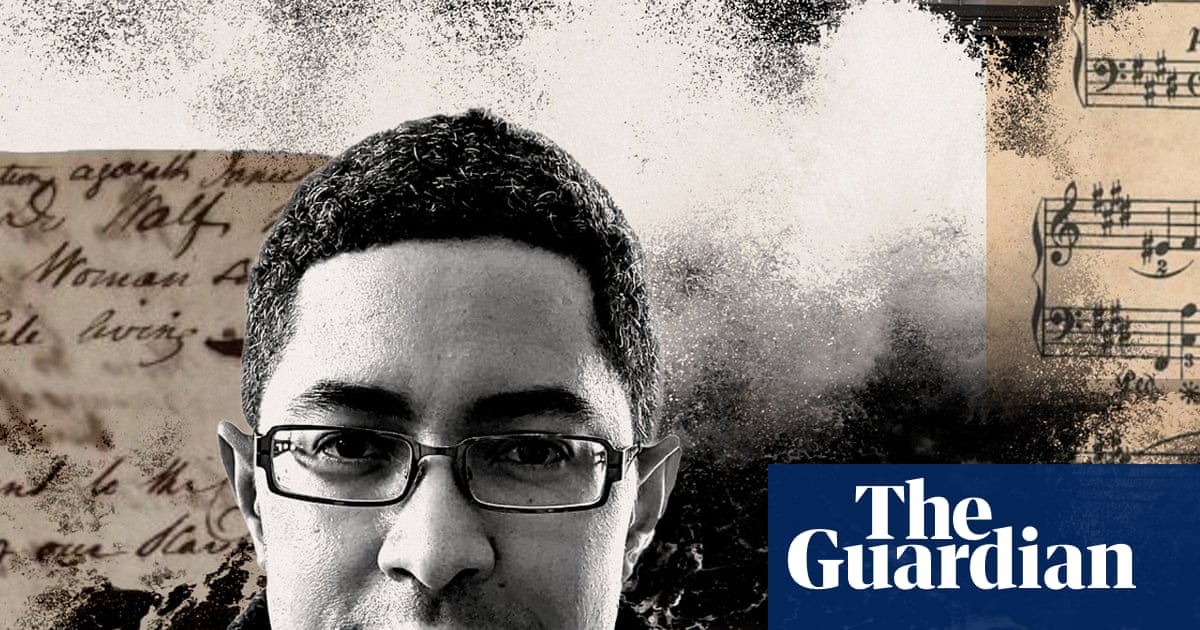
Simbarashe Kundizeza, a Zimbabwean writer, has firmly denied allegations that he used artificial intelligence (AI) to compose his short story, which recently won the prestigious Caine Prize for African Writing. This statement follows his receipt of the £10,000 ($13,000) award and claims made in a recent article by The Atlantic, which suggested that AI-detection software Pangram indicated his story was entirely AI-generated.
Kundizeza's Response
In a post on X, Kundizeza stated, "For the avoidance of doubt, I wrote The Blue Fighter." The accusations have sparked significant backlash on social media, prompting Caine Prize chair Ellah Wakatama to express her shock that The Atlantic published the article without a thorough investigation. She remarked, "I do wish The Atlantic had spent more time investigating this so that alongside Pangram, they did have evidence of real human investigation of it before tainting the prize and tainting this winner."
Background of the Allegations
Wakatama revealed that she was informed about the allegations on Friday, just before the article by Vauhini Vara was published on Sunday. This incident follows controversies surrounding other literary awards this year, including the Commonwealth Short Story Prize, which was awarded to Jamir Nazir amid similar AI usage allegations, and the withdrawal of Thélyson Orélien from France's Goncourt award due to claims of AI involvement in his debut novel.
Community Reaction
The backlash has included comments from various African writers, who argue that such accusations disproportionately target non-white authors. Wale Lawal, founder of The Republic magazine, criticized The Atlantic's article as "crazy, racist and wildly unethical." Joe Ruzvidzo, a Zimbabwean writer, expressed his support for Kundizeza, stating it is time to "fight this literary stop-and-frisk." Additionally, Nigerian publisher Modupe Daramola highlighted the need to address how AI allegations are affecting Black and African writers, calling it "incredibly sinister."