

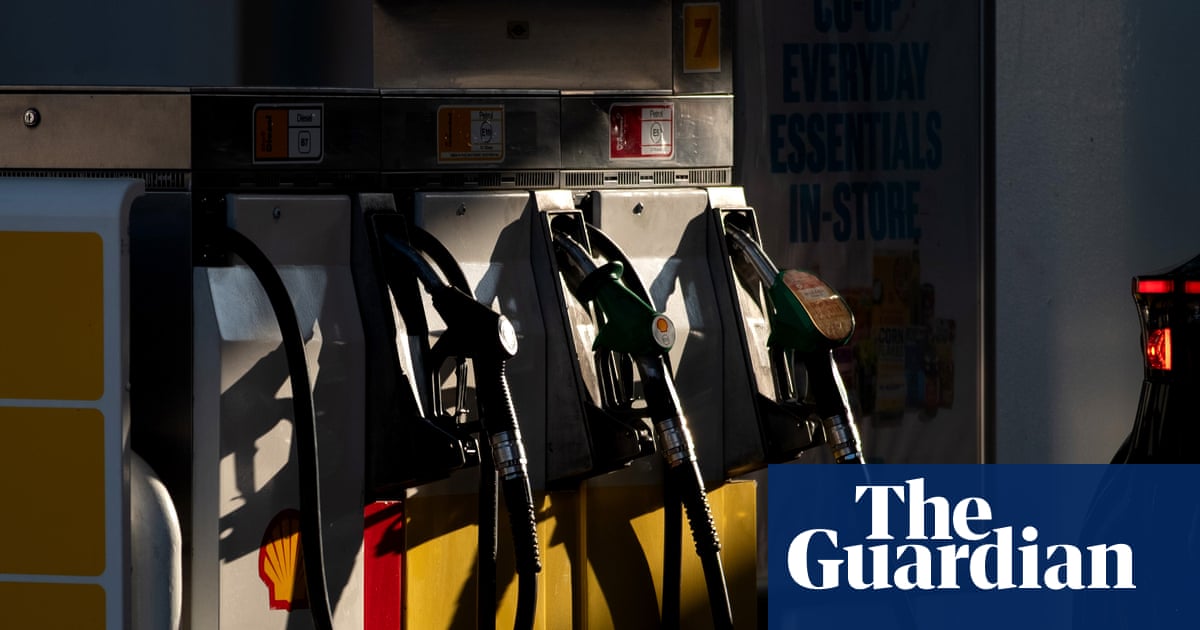
UK inflation climbed to 3.5% in September, surpassing expectations amid rising fuel prices driven by the ongoing conflict in the Middle East. This increase marks a rise from 3.1% in August, as reported by the Office for National Statistics (ONS). Economists had anticipated a more modest increase to 3.4%.
Key Factors Behind the Rise
The surge in inflation is primarily attributed to soaring oil and gas prices, particularly following the escalation of hostilities involving the US and Israel against Iran. The ONS highlighted that the cost of motor fuels was the largest contributor to the inflation spike in September.
- The average price of petrol rose by 8.2p per litre from August to September 2026, compared to a decrease of 0.2p during the same period last year.
- Diesel prices increased by 10.7p per litre in September 2026, contrasting with a 0.4p decline in September 2025.
Additionally, air fares, which are sensitive to fuel prices, saw a smaller than usual drop in September following the summer peak.
Implications for the Economy
In a mixed bag of news, the cost of clothing slightly decreased, and food price growth remained steady at 1.3%, aided by competition among supermarkets despite rising transport costs. The uptick in the Consumer Prices Index (CPI) suggests that the Bank of England is likely to raise interest rates from the current 3.7% during their upcoming meeting next month.