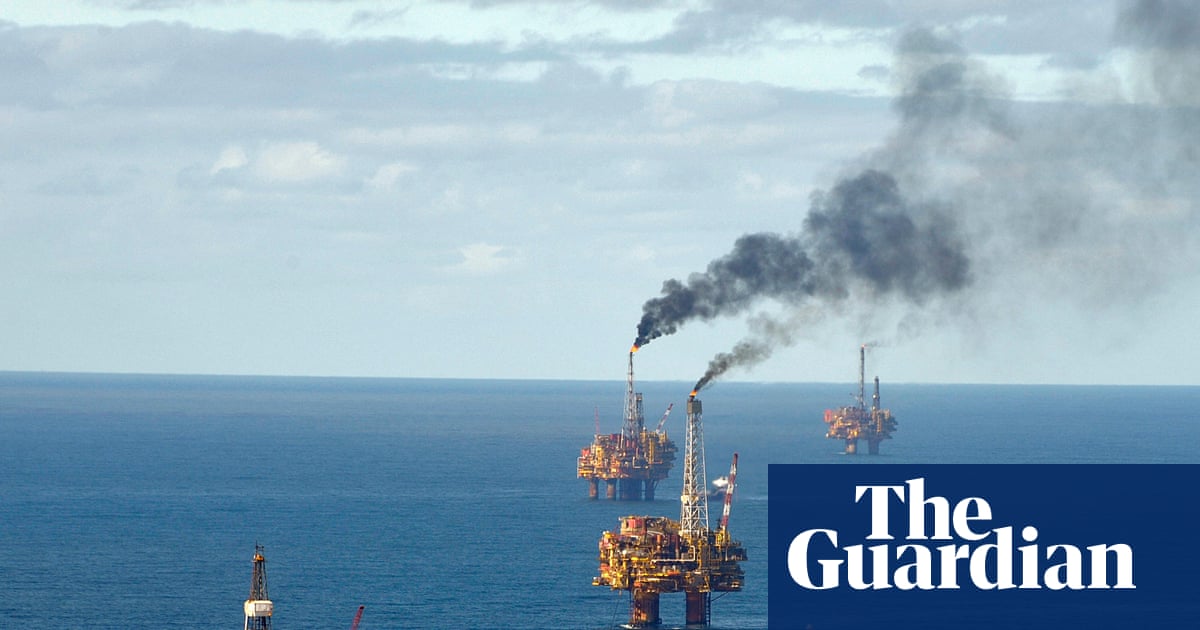

Few believe the recent decision to approve the Jackdaw gasfield will bring back the boom years to Aberdeen, but workers are hopeful it will help retain North Sea jobs for the time being.
Background on Aberdeen's Economic Decline
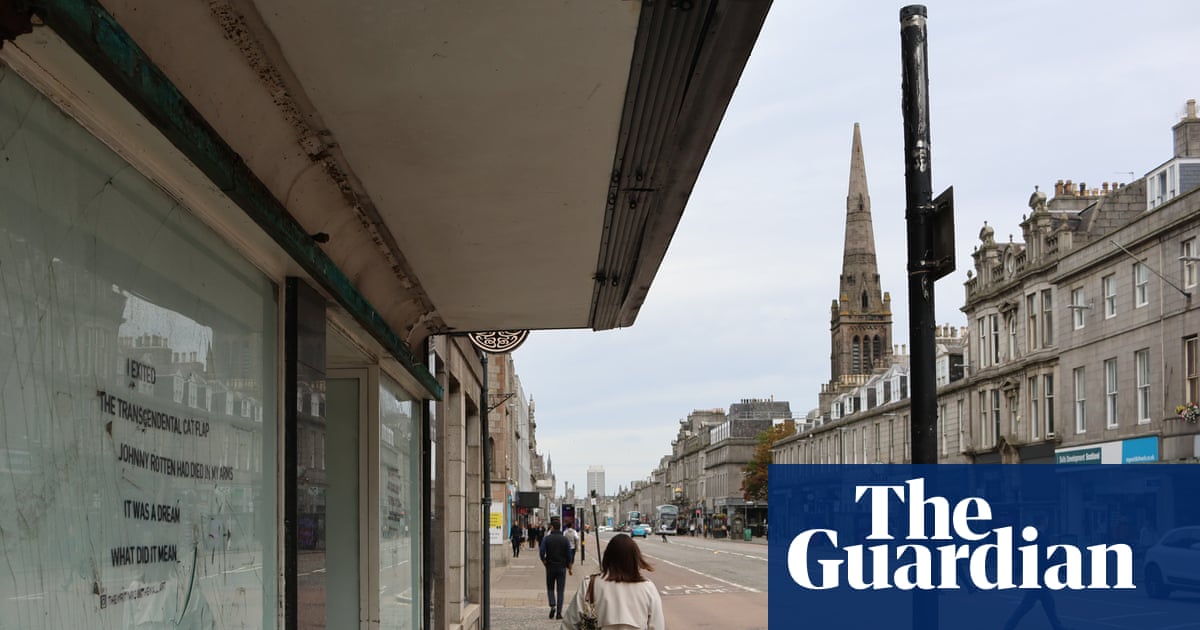
As recently as 2012, Aberdeen boasted the highest concentration of millionaires in the UK. An ATM in the city reportedly had the highest withdrawal rate in Europe during the 90s, as oil and gas wealth flowed through its streets. However, the landscape has changed dramatically. Today, "for sale" and "to let" signs are common along the city’s main thoroughfares. Disposable income in Aberdeen has fallen by nearly 20% between 2013 and 2023, the steepest decline among large UK cities, following a 2014 oil price shock that reversed the city’s fortunes.
Demolition has begun on the former offices of Marathon Oil, once a hub for hundreds of workers. Between 2010 and 2021, the number of residents aged 20-29 fell by 16%. BP is also set to leave the city, announcing plans to divest from its North Sea business. Many residents now reflect on the past, with some likening their situation to former coal mining towns.
““Years ago, a fund should have been set up that saved some of the oil money for Aberdeen. But that’s long gone,” said Scott, an assistant at a men’s clothing shop. “It’s a city centre like any other now.”
Approval of the Jackdaw Gasfield
For many Aberdonians, the government’s decision to approve the Jackdaw gasfield, located 150 miles offshore, was met with relief. However, critics have raised concerns about the climate impact and the limited number of jobs the new gasfield is expected to create. Tessa Khan, executive director of the anti-oil campaign group Uplift, stated: