

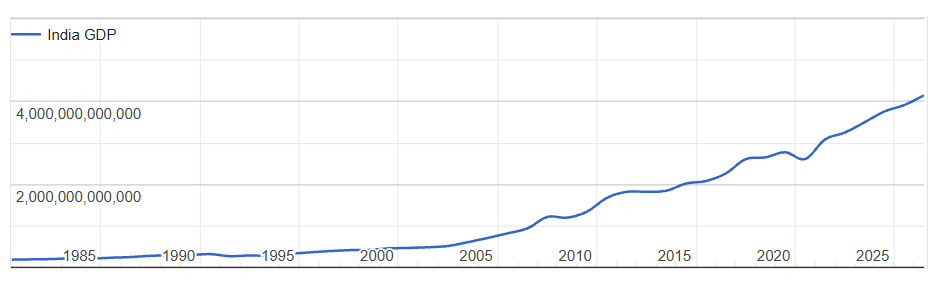
India's economy is experiencing robust growth at over 7% in 2026, yet its equity markets are among the worst performers globally. Despite global challenges such as energy shocks, rising interest rates, and tariff uncertainties, the Nifty and Sensex indices have faced significant corrections, marking the longest losing streak in 25 years. Here are five reasons why India's booming economy isn't translating into stock market gains.
1. High Crude Oil Dependency
India imports over 90% of its crude oil, with prices hovering between $90 and $100 a barrel. The ongoing disruption in the Strait of Hormuz has lasted for eight months, affecting market stability. Fund manager Hari Shyamsunder from Franklin Templeton Asset Management India noted:
“"Markets can absorb crude between $70 and $90, but when prices move above $100 a barrel, it starts putting stress on macro-economic variables such as inflation and also company earnings and margins."
2. Rising Inflation and Interest Rates
The increase in oil prices has led to rising inflation, prompting global interest rates to climb. The effective yield on US government bonds is now above 5%, making them attractive compared to riskier emerging market assets like Indian equities. This shift has resulted in foreign investors withdrawing from the Indian market.