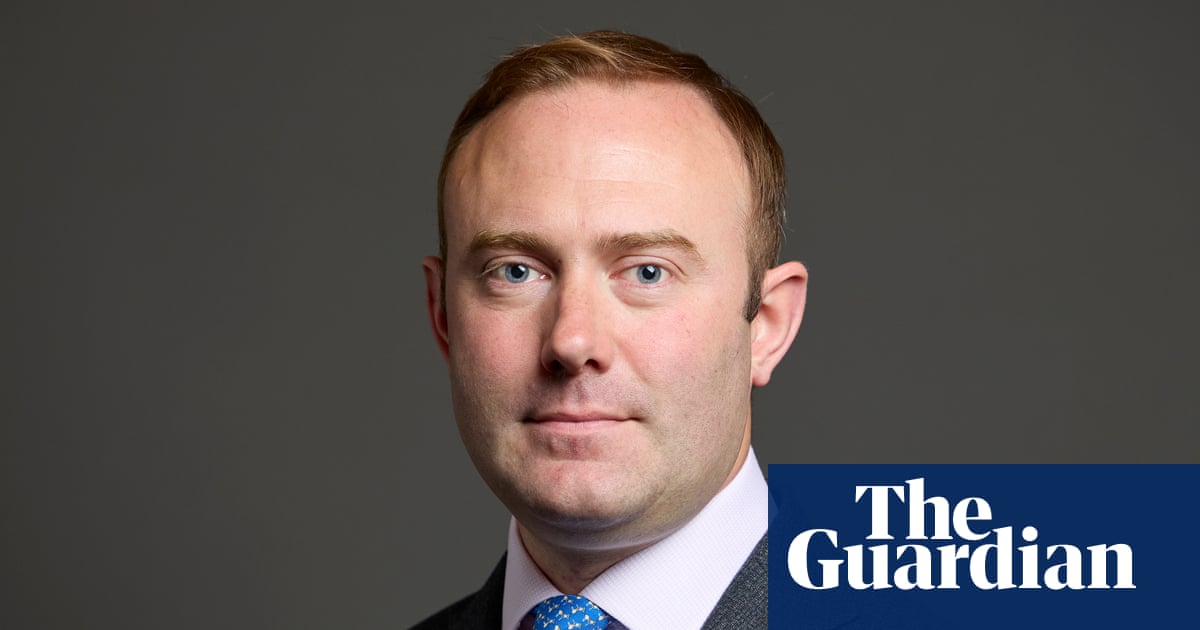


Paul St-Pierre Plamondon was elected as Quebec's new premier on Monday. Canadian media projects the sovereigntist Parti Québécois (PQ) will secure a minority win in Monday's provincial election in Quebec, making Plamondon the incoming premier. This marks the first time the PQ has been in power since 2014.
Implications for National Unity
The election outcome could prove to be a test for Prime Minister Mark Carney, setting up confrontations with Quebec over issues like immigration and the monarchy. The PQ has pledged to hold a referendum on Quebec's independence, similar to an upcoming vote in the province of Alberta later this month. Historically, Quebec has held votes on this issue in 1980 and 1995, but polls indicate only 30% of Quebecers currently support such a move.
Plamondon has stated that the independence vote would occur after US President Donald Trump leaves office. Carney may find himself managing dual unity crises in different parts of the country, depending on the outcome of the separation vote in Alberta. Trump is due to leave office in roughly two years, meaning that if Plamondon keeps his pledge, a third plebiscite on independence would likely be scheduled for 2029 or 2030.
Confrontation with Ottawa
Separate from sovereignty, Plamondon has made it clear he is willing to confront Ottawa if it is seen as overstepping matters of provincial interest. During the campaign, he suggested he would pressure Ottawa on issues like immigration, vowing to fight any increases mandated by the Carney government. He also pledged to "abolish the monarchy in Quebec" and redirect funds spent on its institutions to social services instead.
“"We are going to do what we have to do to get the monarchy out of Quebec, repatriate those funds, and send them to social causes," he told reporters in late September.