

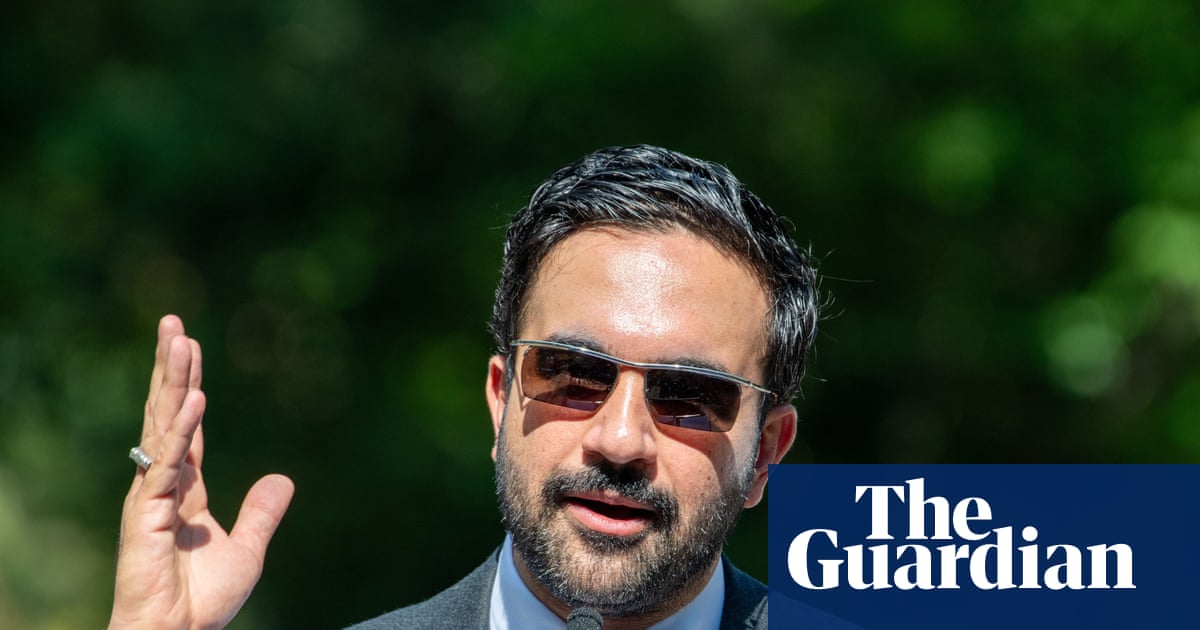
When New York City Mayor Zohran Mamdani announced the city’s first-ever municipal strategy to address antisemitism, he introduced a nuanced, multi-pronged approach. This plan includes greater security measures for synagogues and an increased focus on Jewish history in public school education. However, critics quickly pointed out a significant omission: the plan does not mention Israel.
Context of the Announcement
Israel has played a prominent role in Mamdani’s campaign. Since his election, he has stood by his years-long support for Palestinians, often describing Israel’s actions in Gaza as genocide and labeling Prime Minister Benjamin Netanyahu a war criminal. These positions have divided New York’s Jewish communities and led to accusations that he is fostering the very antisemitism he aims to combat.
At the United Nations General Assembly last week, Netanyahu referred to Mamdani as "the antisemitic mayor of New York." Despite this, Mamdani has made efforts to engage with various Jewish community representatives. Many of them believe that the antisemitism strategy reflects these conversations and the mayor’s willingness to listen to their concerns.
““This strategy is an important intervention that reflects the voices of the hundreds of Jewish New Yorkers consulted throughout the process,” said Rabbi Jill Jacobs, chief executive of T’ruah: The Rabbinic Call for Human Rights.
Key Features of the Strategy
The strategy does not endorse a specific definition of antisemitism, a topic that has sparked disputes, particularly regarding the role of Israel in Jewish identity. Instead, it mentions three different definitions while asserting that "New York City can and will leverage all of the tools at its disposal to combat antisemitism effectively without needing to adopt a definition for this specific form of hate."