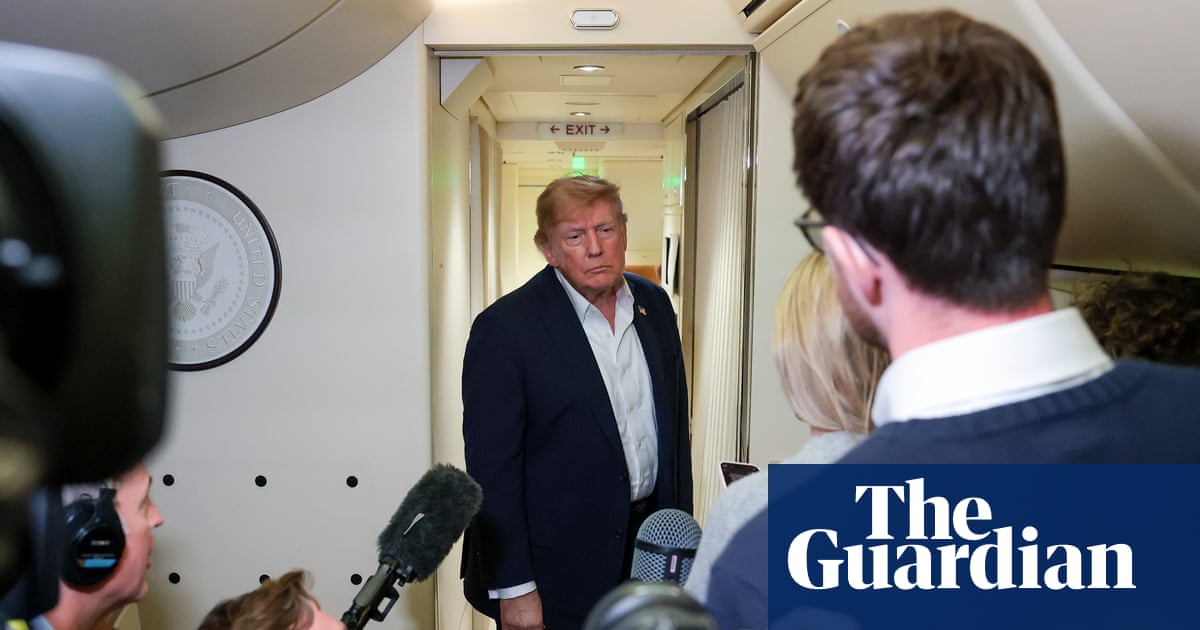

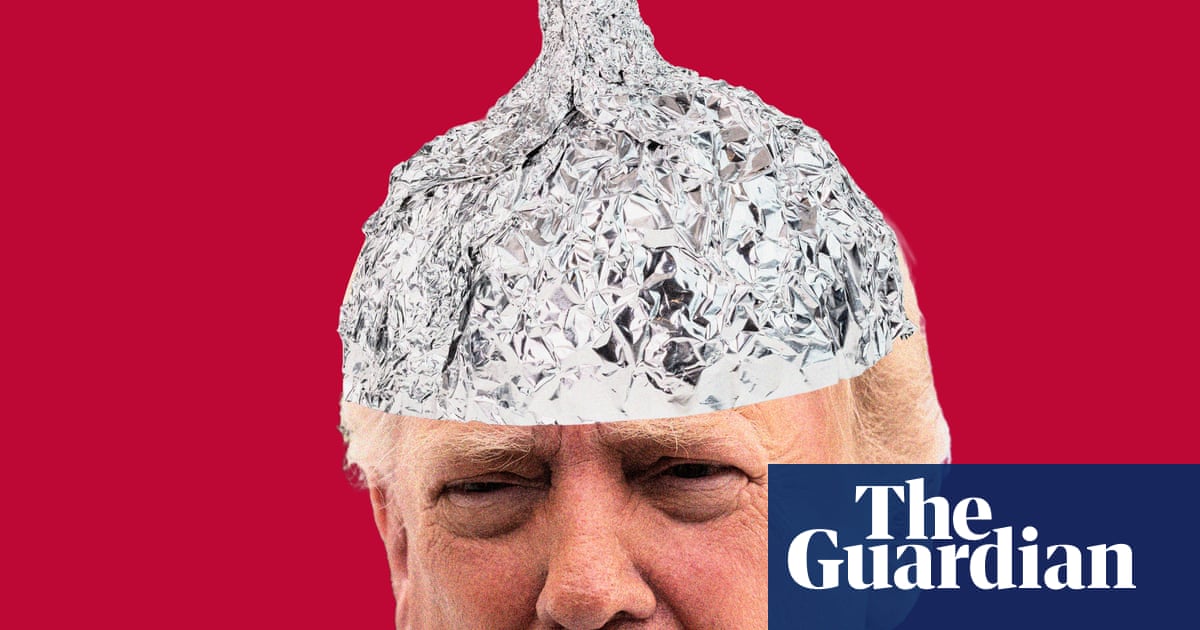
Since the start of his second presidency, Donald Trump has frequently launched extensive conspiracy theories against critics and opponents, labeling their views as hoaxes. Experts warn that these attacks endanger U.S. freedoms, public health, and science.
The Impact of Conspiracy Theories
Critics argue that Trump's extensive use of conspiracy theories is characteristic of an authoritarian leader. This behavior has weakened trust in the upcoming midterm elections, ignored scientific evidence, and pushed for the prosecution of political enemies, eroding civil liberties.
Trump's claims, such as the assertion that the U.S. faces a "crisis of election security" and his labeling of climate change as a "hoax," illustrate his conspiratorial tactics. Scholars believe that these tactics reflect how authoritarian leaders use conspiracies to justify repression.
“Steven Levitsky, a Harvard professor, stated: "Conspiracies are page one of the repressive playbook," noting that historical figures like Mao, Stalin, and Putin have employed similar strategies.
Recent Developments
In mid-September, Trump accused AI leaders of engaging in a conspiracy by advocating for safeguards against potential extinction-level threats posed by AI technology. He also disparaged critics of data centers, claiming they want to keep society "backwards and poor."
Former federal officials and scholars highlight that Trump's conspiratorial attacks on critics echo the tactics of Roy Cohn, a notorious right-wing lawyer who promoted the "red scare" in the 1950s. Julian Zelizer, a Princeton historian, noted that Trump learned to mobilize public sentiment by portraying himself as a victim of conspiracies.