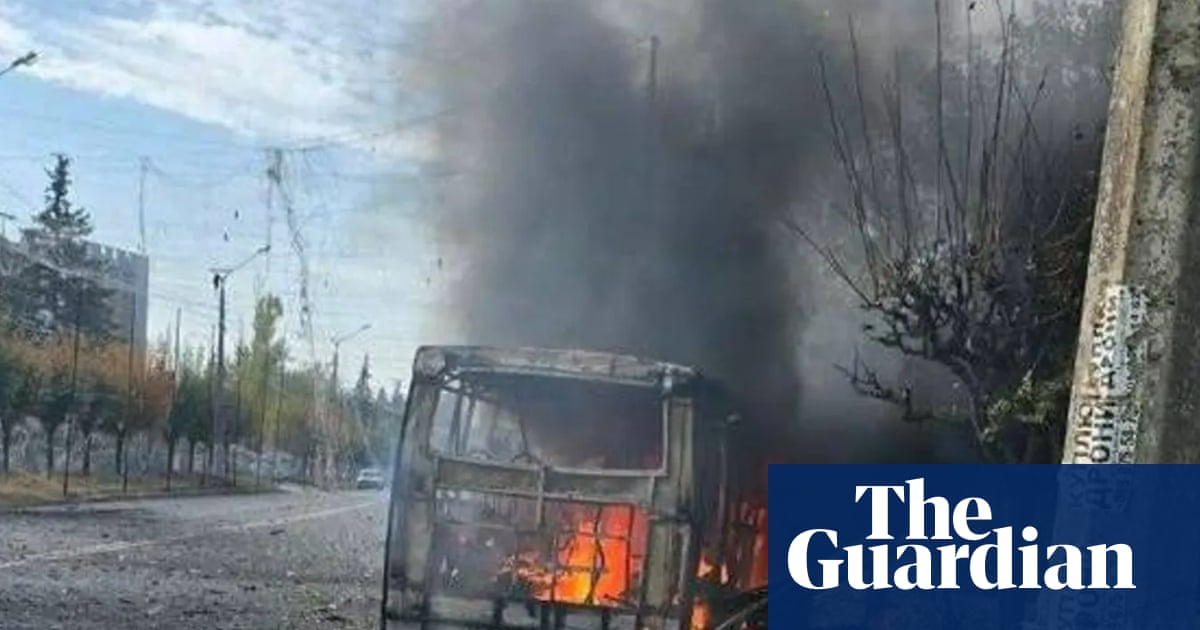


As Russia's attacks on Ukraine's cities intensify and autumn's cooler temperatures hint at another tough winter to come, Ukrainians are wrestling with how to meet the twin challenges ahead: Russian drone and missile strikes and the biting cold.
Difficult Decisions Amidst Danger
Mariia Shostak, a mother of two, is packing her bags and leaving her small flat in Kyiv. "It was a very difficult winter last year in Kyiv," she recalls. With prolonged periods of sub-zero temperatures and frequent power cuts due to Russia's attacks on the power grid, last winter was one of the hardest so far. "There were some days and weeks that were unbearable. I started thinking I'm not going through another winter like this."
Mariia is not waiting for winter. She explains, "Everything changed in late August and the beginning of September, when Kyiv started being attacked around the clock. Earlier, the drones and missiles were intercepted somewhere on the outskirts. Now it was happening in the centre, right above our heads."
Escalating Attacks and Growing Fear
After weeks of escalating Russian attacks, which by the end of September had targeted petrol stations, power plants, and key bridges over the Dnipro river, Kyiv mayor Vitaly Klitschko described the situation as "very dramatic," stating that the attacks were "tearing Kyiv apart."
Mariia's children, four-year-old Artur and two-year-old Kira, were both born after Russia's full-scale invasion in 2022. Unwilling to subject them to another dangerous winter, she plans to take them abroad to Hurghada, on Egypt's Red Sea coast, which she finds cheaper and warmer than Europe. "I don't feel safe in Ukraine in any way," she adds.