

The age of US politicians has become a significant topic of discussion, particularly as Hal Rogers, an 88-year-old Republican, seeks his 24th term in the House of Representatives this November. Rogers has represented Kentucky's 5th congressional district since 1981, making him the longest-serving member of the House. He was elected on the same night Ronald Reagan won his first presidential term under the slogan "Let's make America great again," a phrase later revived by Donald Trump.
The Aging Political Landscape
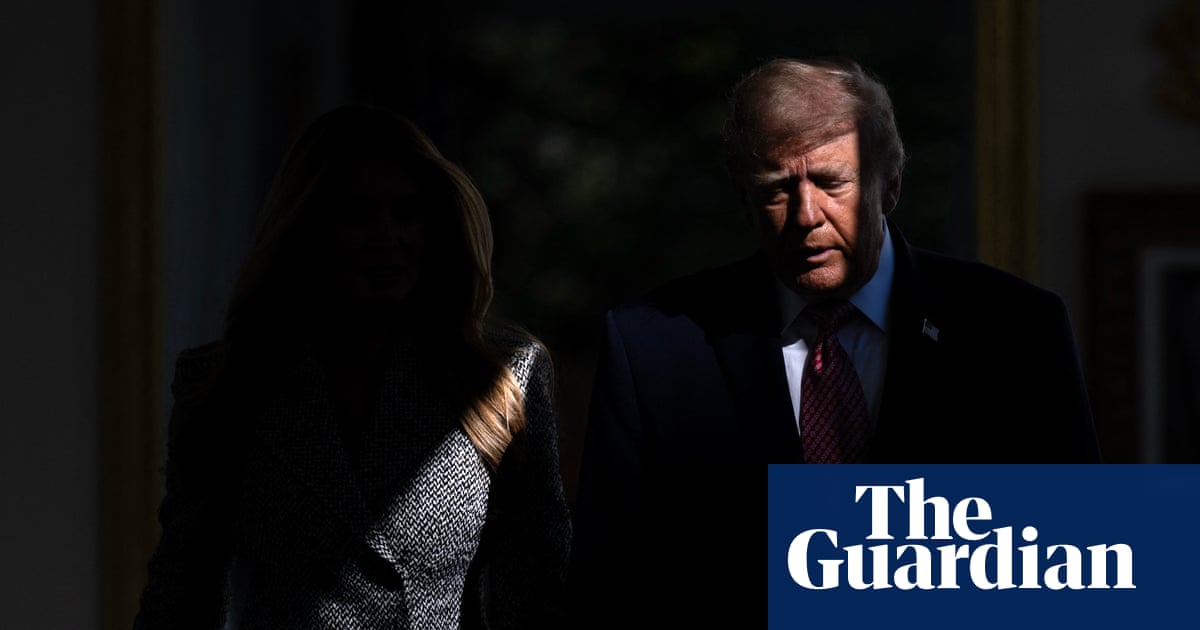
Rogers is not alone in his longevity; other senior politicians include Donald Trump (80), Joe Biden (82), and Nancy Pelosi (82). Chuck Grassley, at 93, is still serving as a senator, having entered politics in 1958. This trend has raised concerns about the age and health of politicians, prompting discussions about potential age limits or health checks.
The US is often described as a "gerontocracy," where the government is predominantly composed of older individuals. Research from the Inter-Parliamentary Union indicates that the US has one of the lowest proportions of lawmakers under the age of 45 compared to other democracies.
The Challenge for Younger Politicians
One of the few young candidates is Riley Owen, a 27-year-old Republican running for Congress in a newly created district in Utah. Owen advocates for issues like paid maternity leave and environmental action, aiming to resonate with younger voters. He argues that the current political system favors incumbents, making it difficult for new candidates to gain traction.
“"We've got people who have become career politicians, and they spend their lives in Congress," Owen states, highlighting the challenges faced by younger candidates.