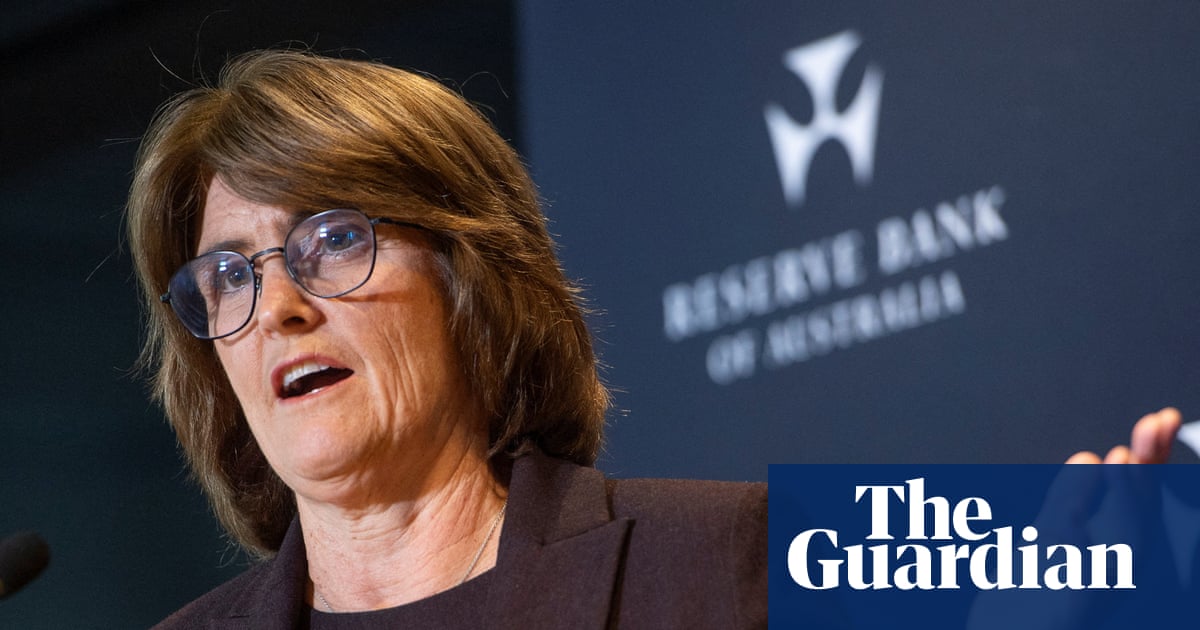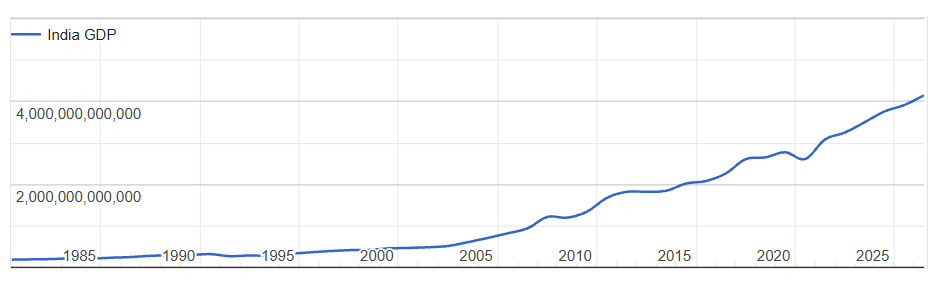


The Reserve Bank of India (RBI) has raised its benchmark interest rate for the first time in nearly four years, increasing it by 25 basis points to 5.5%. This decision comes as the rupee trades near a two-month low, and it is expected to lead to higher costs for car, home, and personal loans for Indian consumers.
Context
The RBI's move is part of a broader trend among global central banks adopting tighter monetary policies in response to energy-driven inflation, particularly amid ongoing geopolitical tensions in the Middle East. Following the announcement, India's benchmark equity indices, Sensex and Nifty, experienced declines as investors assessed the implications of increased borrowing costs on consumption and corporate investment.
Developments
In his post-policy address, RBI Governor Sanjay Malhotra emphasized that the decision was influenced by challenging geopolitical developments, despite the resilience of the Indian economy. He stated:
“"Cuts were off the table for now."
Malhotra indicated that the central bank might either raise rates further or maintain the current rate to manage inflation effectively. The RBI has projected Consumer Price Index (CPI) inflation at 5.2% for 2026-27, up from the previous estimate of 5%, to account for price pressures stemming from weather disruptions, a weak monsoon, and high volatility in international oil prices.