
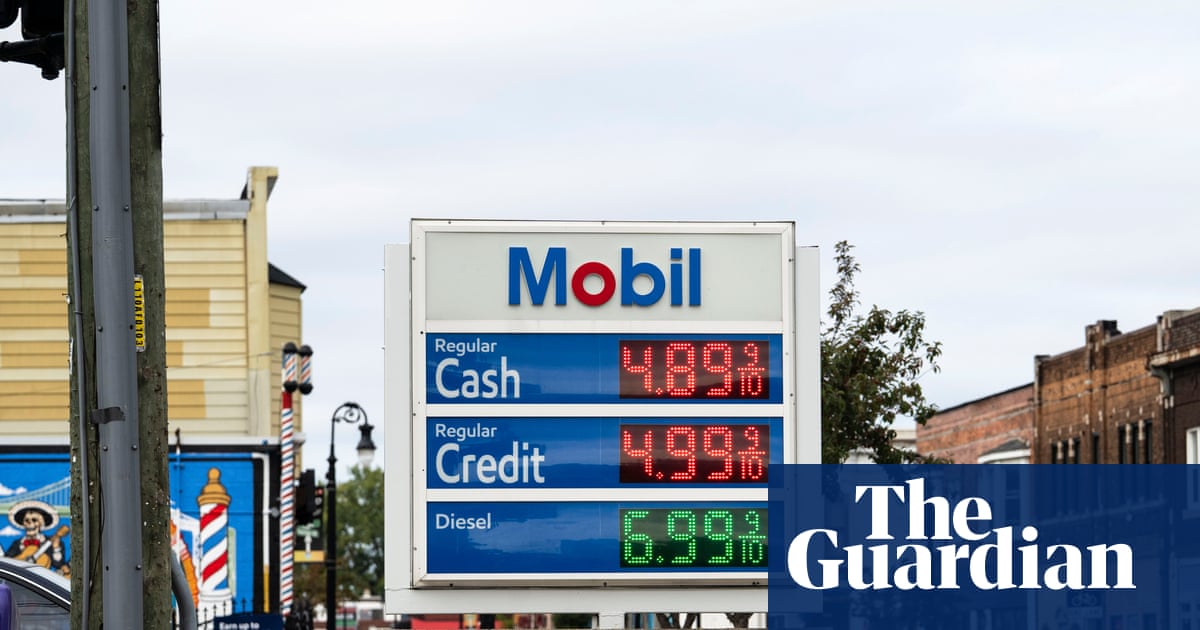
Fuel costs are significantly impacting crop growers, trucking firms, and various other industries as the ongoing conflict in Iran drives record prices.
Rising Costs for Farmers
Joe Hamilton farms corn and soybeans on 2,500 acres in Indiana’s Delaware County. As he prepares for the soybean harvest next week, he anticipates a hefty bill for approximately 9,000 gallons of diesel. "During harvest, we use about 300 gallons of diesel fuel per day, and we have around 30 harvest days in a typical fall," he explains.
With diesel-consuming combine machines now entering fields across the eastern corn belt, farmers, trucking companies, and other industries reliant on diesel are grappling with unprecedented prices. An estimated 20 billion bushels of soybeans and corn (approximately 522 million metric tons) are expected to be harvested in the Midwest between now and the end of November.
Factors Driving Diesel Prices
Estimates suggest that the war with Iran, coupled with damaged refineries in Russia and regional diesel supply disruptions, could add an additional $12,500 in fuel costs for every 1,000 acres of crops harvested. "Farmers are price takers. It’s not just fuel – it’s chemicals, it’s seed, it’s the cost of equipment," laments Hamilton. "Everything has increased along with the commodity prices."
Manufacturers, trucking companies, and store owners preparing for the holiday season are also feeling the effects of rising diesel costs. In September, four of the five states with the highest weekly diesel price increases in the country were in the Midwest (Illinois, Michigan, Ohio, and Indiana), with prices jumping by more than $3 per gallon compared to a year ago.
Regional Supply Issues
In addition to the conflict in Iran, regional issues have exacerbated the situation. A power outage and flooding last month at an ExxonMobil refinery in Joliet, Illinois, led to a shutdown for over a week, taking more than 80 million gallons of diesel and gas offline. Furthermore, an ongoing six-month dispute between union members and BP at one of the largest refineries in the country in Whiting, Indiana, has also contributed to the surge in prices.
Kurt Lykins, a lecturer at Otterbein University, notes, "The Midwest is different from the coasts or even the Gulf, primarily due to the lower number of oil refineries and how it can respond in times of crisis. If you have water access, you can bring tankers in with additional oil."