
Australia is grappling with a contentious debate over its migration policy, with starkly different visions presented by the Labor Party and One Nation. The question at hand is whether reducing net overseas migration would harm the economy or provide a necessary reset to improve stagnant living standards.
Migration Policy Proposals
Pauline Hanson, leader of One Nation, recently proposed a plan to cut the number of temporary migrants in Australia by over 750,000 within three years. This would involve targeting international students and family members of skilled migrants, aiming for net overseas migration (NOM) to turn negative for three years before capping it at 130,000. In contrast, Labor's long-term NOM target stands at 225,000, with the last official estimate at 292,000 for the year ending March.
Tony Burke, the Home Affairs Minister, criticized One Nation's plan, stating it would "trash Australian services and trash the Australian economy." However, Hanson argues that high population growth has contributed to economic issues, asserting that "Australians have been in a per-capita recession for years" and that living standards improve when migration is reduced, citing Canada as an example.
Canada's Migration Adjustment
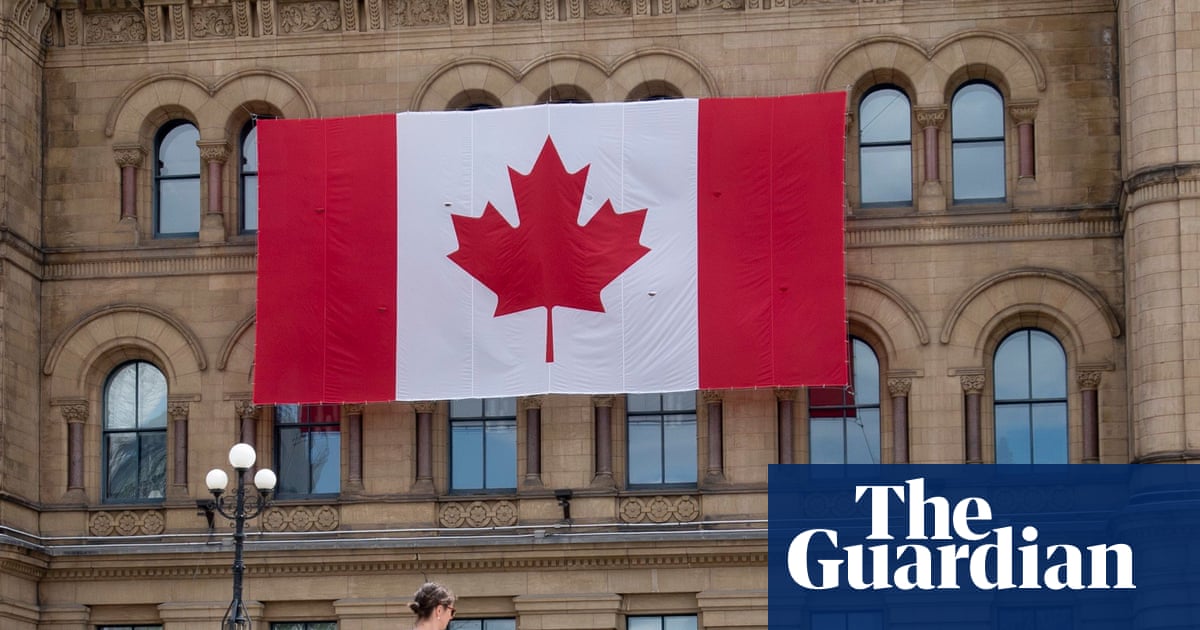
Canada, often seen as a sister country to Australia, is currently experiencing a significant migration adjustment that has led to a slowdown in population growth. Unlike Hanson’s targeted approach, Canada has implemented policies to reduce the share of temporary migrants from a peak of 7.6% in 2024 to 5%. This has resulted in annual population growth declining from 3.1% in early 2024 to just 0.5% now.