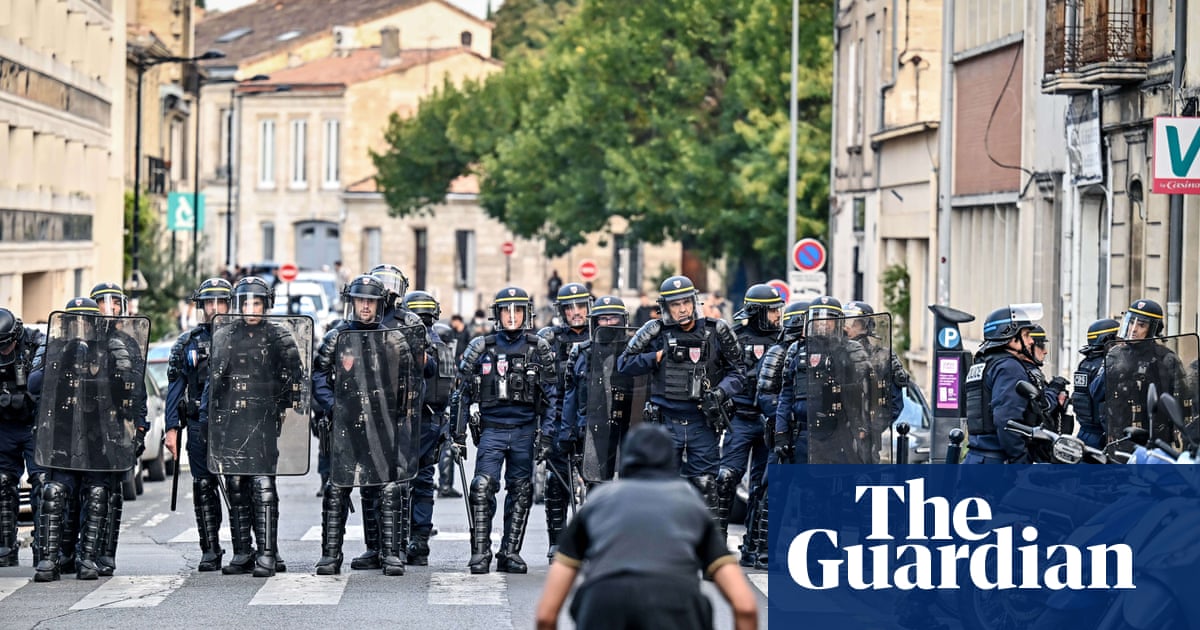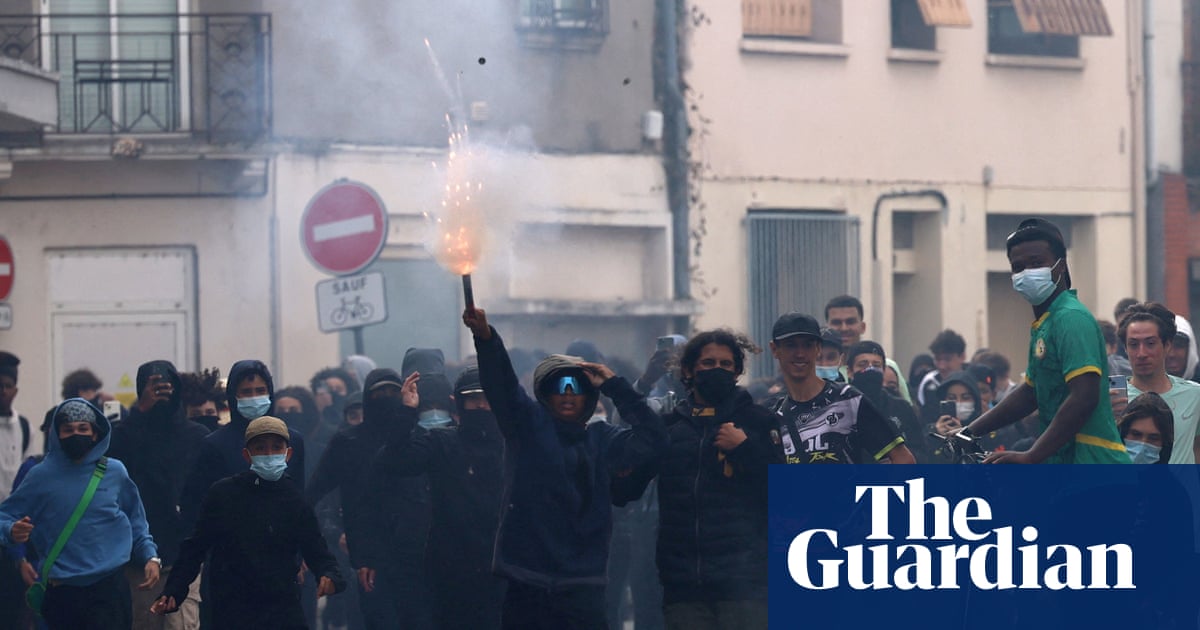


France is preparing for a significant day of protests on Tuesday, as organizers have called for a nationwide action in support of students demanding increased investment in education. This comes after a week of demonstrations that resulted in the partial or total closure of over 500 schools, at least 190 students injured, and more than 5,000 arrests.
Context of the Protests
The protests began with high school students blocking hundreds of schools and have since escalated. Notably, one student suffered a severe injury when his hand was blown off during a confrontation on Monday, while another was reportedly struck in the head by a tear gas grenade last week.
Prime Minister Sébastien Lecornu stated that the government has announced measures to address the students' demands. However, the Union Syndicale Lycéenne (USL), a major organizer of the protests, criticized the government for offering "nothing concrete". They have called for widespread participation in Tuesday's mobilization, citing a political deadlock and what they describe as unprecedented repression of the movement.
Support from Other Organizations
Several organizations have expressed support for the students. The teachers' union SNES-FSU has urged its members to join the protests. Jean-Luc Mélenchon, leader of the radical-left La France Insoumise (LFI) party, characterized the protests as the "most powerful high school and university student youth movement" since 1968, a year marked by significant unrest.
Developments in the Protests
The wave of demonstrations began in September in Paris and has since spread across the country. Students are protesting against overcrowded classrooms, deteriorating school facilities, and a shortage of teachers. Clashes with police have resulted in serious injuries, including a 15-year-old boy whose hand was blown off near a school in Lens. His injury is not life-threatening, according to officials.