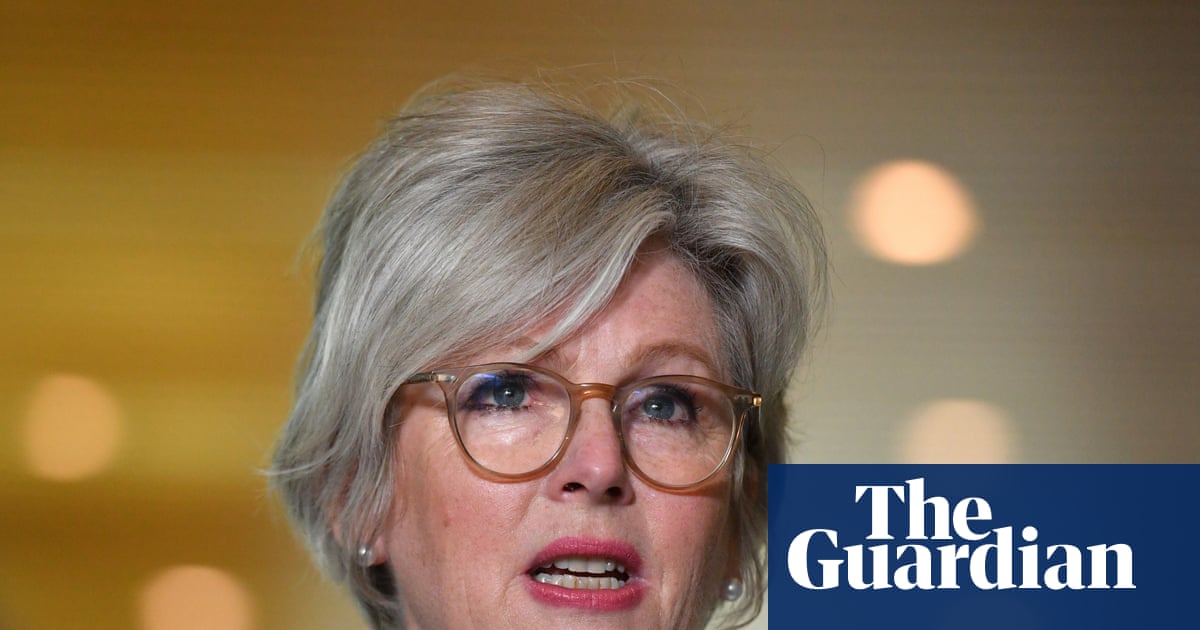


El Mansouri was named by King Mohammed VI as Morocco's first female prime minister, a historic appointment that has reignited discussions about women's roles in leadership within the country. The Islamic saying, "a people who entrust their affairs to a woman will never succeed," has resurfaced in public discourse, particularly following comments from Mustafa Ramid, a former justice minister, who questioned the suitability of a woman in the highest political office.
Context of the Appointment
Morocco operates as a constitutional monarchy where the king retains significant executive power. Fatima Zahra El Mansouri's Authenticity and Modernity Party (Pam) won the most seats in the September parliamentary elections and has formed a coalition with three other parties, holding a total of 207 out of 395 seats in parliament. El Mansouri, 50, has framed her appointment as a significant milestone for Moroccan women, yet it has also highlighted ongoing societal reservations about female leadership.
Public Reactions
In the wake of her appointment, local broadcaster Chouf TV conducted street interviews with Moroccan men regarding their views on a woman leading the government. Many respondents, particularly older men, expressed uncertainty about the decision. One unnamed man remarked, "It feels strange to have a woman as head of government. I'm not sure if it sits well with me."
Despite the mixed reactions, younger Moroccans, especially women, have largely welcomed her appointment. However, conservative views still dominate, particularly regarding gender equality issues such as family law, inheritance, and polygamy.