
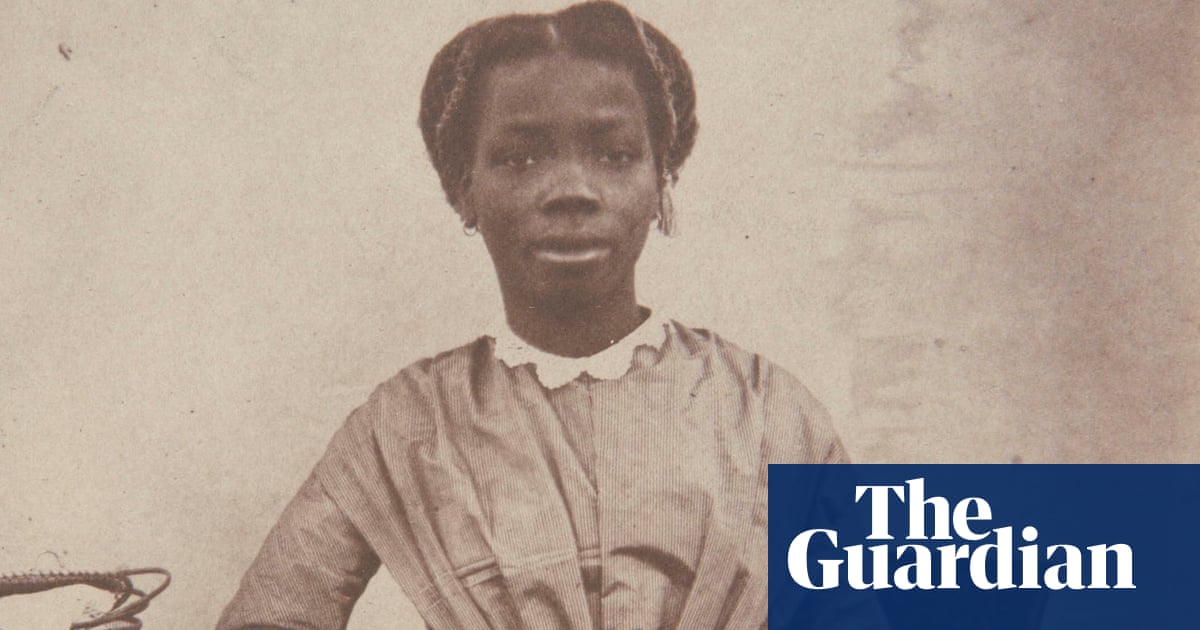
A girl named Àìná was captured by an African king and later taken to England to become Sarah Forbes Bonetta, a protege of Queen Victoria. When she was seven years old, Bayo Randle’s great-great-grandmother was presented to Queen Victoria at Windsor Castle as a "diplomatic gift" from an African king. Victoria would go on to pay for Bonetta’s education, approve her marriage to one of West Africa’s wealthiest men, and become godmother to her eldest daughter.
However, while Victoria took a genuine interest in Bonetta’s welfare, making the orphan a royal protege and meeting with her over the years, their relationship was part of a bigger agenda. Now, as a biography is published – Becoming Sarah Forbes Bonetta: A Yorùbá Woman in Queen Victoria’s Court – Randle has spoken of his family history.
““I don’t think a human being, who has agency, could be ‘gifted’ from one to another, but had she not been gifted to Queen Victoria, would I be here today?” said Randle, a British-Nigerian barrister from London.
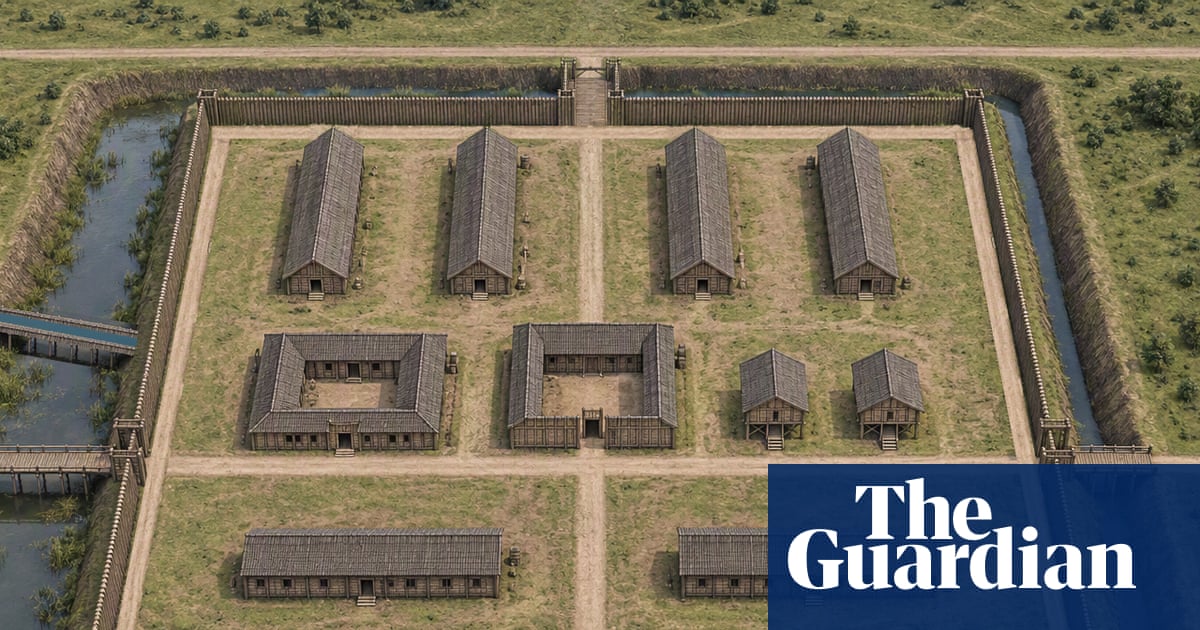
The new book, by Canadian academic Prof Henry Lovejoy, charts how Bonetta was brought to England by Frederick Forbes, of the Royal Navy’s West Africa Squadron, which was set up to enforce the abolition of the transatlantic trade. Born in 1843 in Òkè-Òdàn, south-west Nigeria, Bonetta was originally called Àìná. Her family was killed in 1848 when her town was attacked by King Ghezo of Dahomey’s forces. Bonetta, then five, is believed to have been captured by the agodjié – the all-female regiment depicted in the Hollywood movie The Woman King – and held at King Ghezo’s court.
In 1850, Forbes went to Dahomey – which is now Benin – to petition Ghezo to sign an anti-slavery treaty. The mission failed, but Forbes asked Ghezo if he could take Bonetta to England. Bonetta would go on to live a life of renown, becoming one of the most artistically represented and widely reported African women of her time. However, she was never truly free.
Lovejoy’s book describes how, before Forbes arrived in England with her – giving her his own name and that of his ship, the Bonetta – he petitioned for her to be “the property of the crown.” This meant Bonetta was “effectively indentured to Queen Victoria until age 19” under the post-abolition legal structures, Lovejoy said. Bonetta was then married off to James Pinson Labulo Davies, a merchant and philanthropist, of whom she would write: