

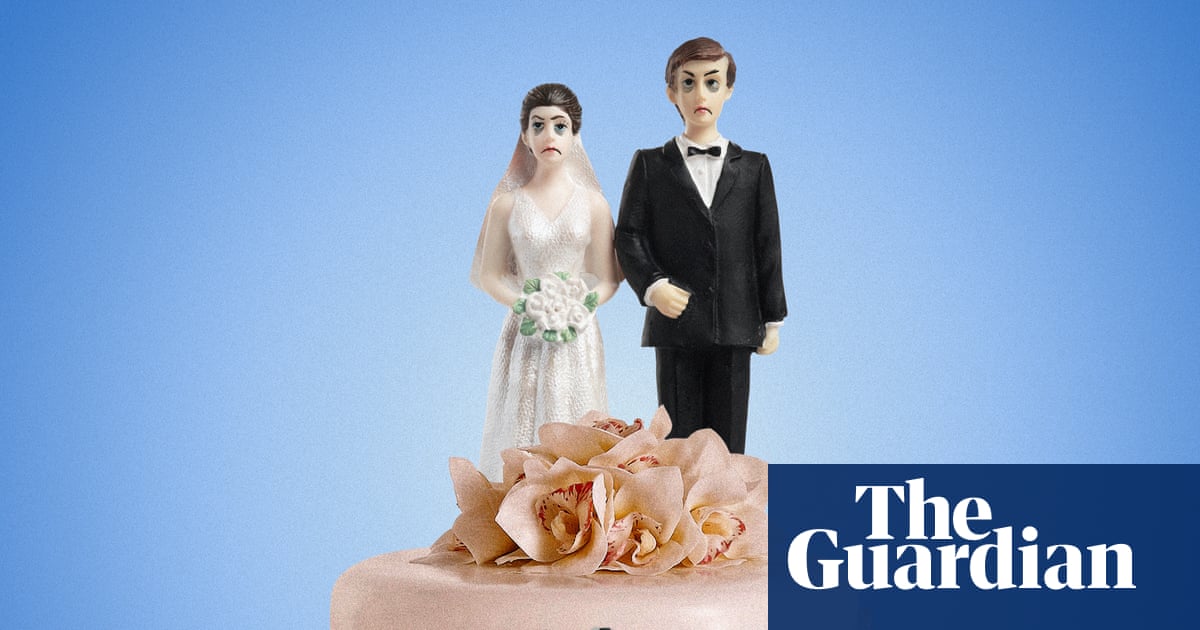
Financial pressures, legal changes, and shifting attitudes may help explain why couples are staying married for longer.
Celia, reflecting on her divorce, noted, "We don’t know anyone whose marriage hit the skids after just a few years. Everyone seemed to cling on to their relationships for as long as they possibly could." It took her two years to initiate divorce after realizing her 12-year marriage wasn’t going anywhere. The latest figures show this experience is increasingly common, with marriages that end in divorce now lasting longer than at any point since records began.
Methodical Approach to Divorce
Celia, an AI analyst, approached her divorce very methodically. "I knew that women almost always end up financially worse off after divorce, especially where there are children concerned, so I took the time I needed to turbocharge my career before pressing ‘eject’,” she explained. She and her former husband, Martyn, had been in their 40s when they got married, which allowed them to take the time to try to mend their relationship instead of rushing into a new life.
“"When that didn’t work, Martyn was mature enough to know it was best for the children, me, and us that he subtly left me alone to get to where I needed to be before we formally called time on the relationship," Celia added.
Rising Median Length of Marriage
According to figures from the Office for National Statistics (ONS) released this week, the median length of a marriage before it ends in divorce reached 13 years in England and Wales in 2025. This figure for opposite-sex marriages has risen from 12.7 years in 2023 and a low of 8.9 years in 1985. At the same time, the proportion of couples divorcing during their first decade of marriage has fallen sharply. Among couples who married in 2015, an estimated 16.3% had divorced by their 10th anniversary, compared with 24.7% of those who married in 1995.
Possible Reasons for Delayed Divorce
The ONS research does not provide definitive answers as to why marriages are ending later but suggests several hypotheses. Couples may delay the legal end of their relationships until they can afford what comes next. Prof. Emma Hitchings, deputy head of the University of Bristol law school, noted, "Divorce may have become legally easier, with the advent of no-fault divorces, but separating one household into two has not."
She explained that the longer a couple stays together, the more tightly entwined their finances become, making divorce more complex.