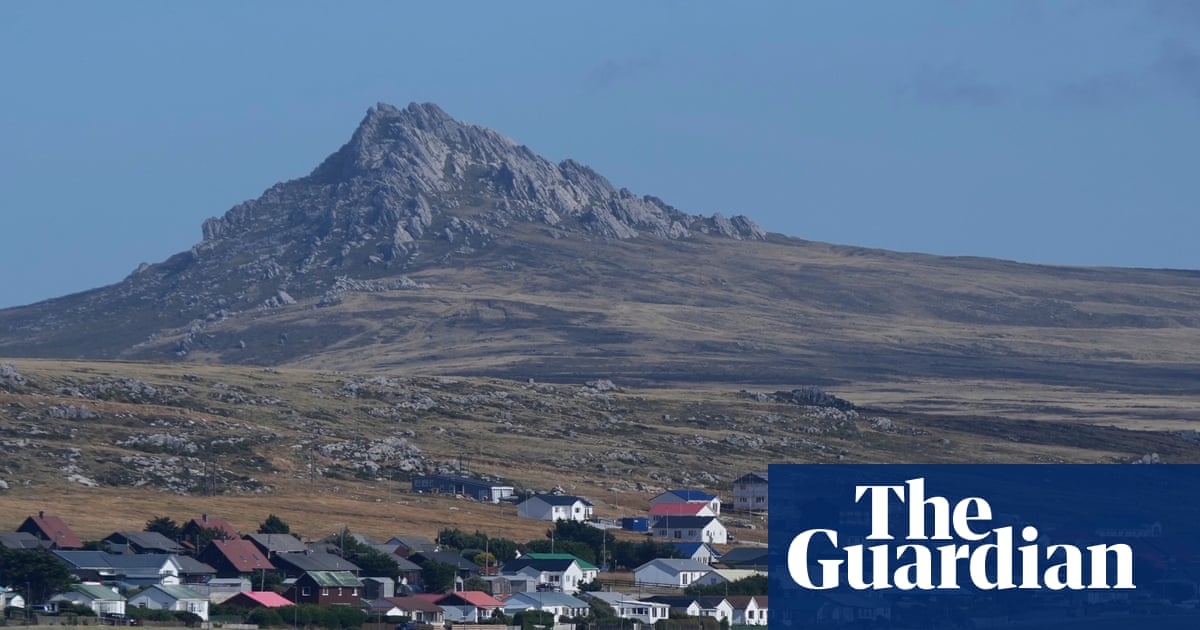
Britain has formally appealed to Interpol to dismiss Argentina's requests for the arrest of individuals linked to a significant oil project off the Falkland Islands. This move comes amid escalating tensions over the sovereignty of the British overseas territory, reminiscent of the conflict between the two nations in 1982.
Context
In a letter sent to Interpol's headquarters in Lyon, UK officials argued that the red notice requests from Argentina should be viewed as politically motivated. The UK government is concerned that these requests are an attempt to intimidate individuals and companies involved in the Sea Lion oil project, which has the potential to triple the Falklands' GDP.
Argentina's president, Javier Milei, has pledged to block the Sea Lion project, which has prompted the Argentine government to pursue legal avenues to criminalize those involved and deter potential investors.
Developments
The UK government has urged Interpol to exercise caution regarding Argentina's requests for detentions. Andrea Clausen, the chief executive of the Falklands government, acknowledged the threat posed by Argentina's use of Interpol but expressed hope that the organization would refrain from taking action. She stated:
“"Certainly those of us who have an interest have had a look at certain sections of Interpol’s constitution to see what we think it could mean."
Interpol's response to the UK indicated that it would adhere to Article 3 of its constitution, which prohibits any political intervention. Red notices are requests to locate and provisionally arrest individuals pending extradition, but it is up to individual member countries to decide whether to act on them.