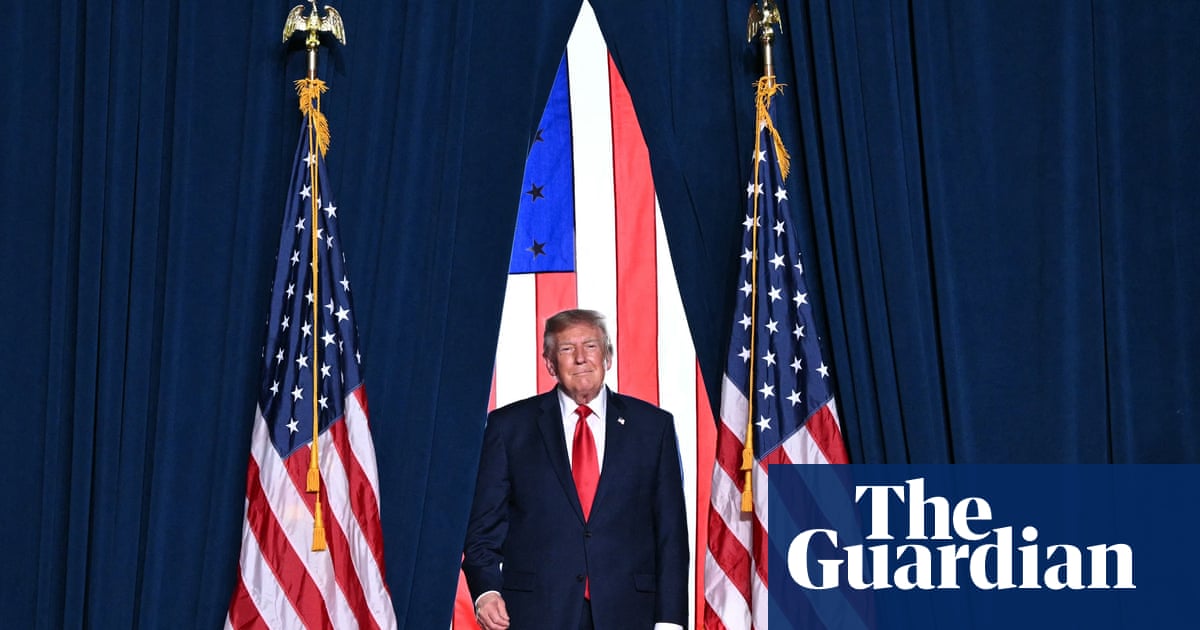
The pre-midterm defenestration of ACA enrollees looks like political madness, but Donald Trump appears to believe that targeting poor people might work for him ahead of the November elections.
Desperate Measures Ahead of Midterms
In a frantic bid to convince beleaguered Americans that he can alleviate the pressures his policies have imposed on their livelihoods, Trump has made several questionable moves. He proposed lowering barriers against beef imports to address surging meat prices but considered backtracking under pressure from the cow lobby. He also suggested stopping diesel exports, only to find that oil companies were not interested. Additionally, he weakened fuel efficiency standards, claiming it would lower the price of new cars, while neglecting to mention it would increase gas spending.
In early October, Trump began mailing $500 checks to nearly a million people, touting his healthcare "wins." He also promised adult Americans a $5,000 check if Republicans maintain control of Congress, a promise that seems unlikely to materialize.
The ACA Enrollment Cuts
In the face of setbacks, the administration, led by Vice-President JD Vance, decided to highlight one initiative: ejecting over 750,000 enrollees from the Affordable Care Act (ACA) health insurance marketplaces, claiming they are not entitled to federal subsidies. Trump could argue that these cuts align with the administration’s commitment to fiscal discipline. However, this aspect of the platform was never more than a rhetorical feint.
The pre-midterm removal of ACA enrollees appears politically reckless, especially given the ongoing economic anxieties expressed by voters across party lines. The savings from this maneuver, estimated at $2.2 billion per year, pale in comparison to the centerpiece of Trump’s fiscal policy—the One Big Beautiful Bill Act from 2025, which is expected to add $4.1 trillion to budget deficits over the next decade, primarily due to tax cuts benefiting the wealthiest Americans.