
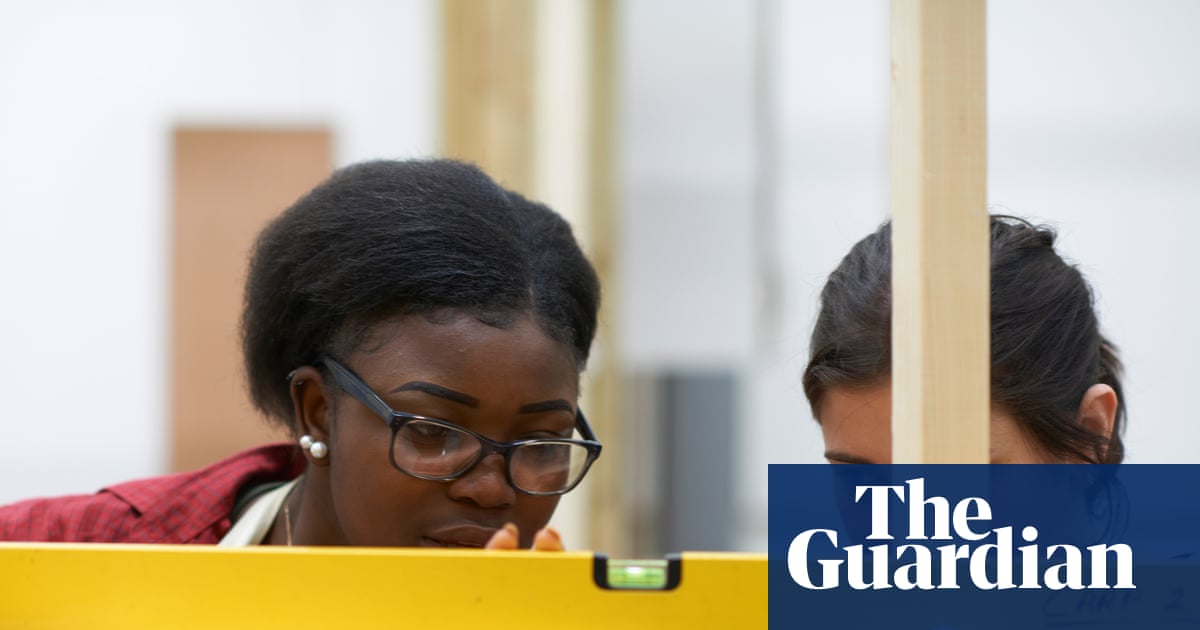
Teenagers in England will soon have the opportunity to take a range of new vocational GCSEs as part of a significant overhaul of the education system aimed at addressing the crisis that has left nearly a million young people out of work or training. Starting in 2029, students will be able to supplement their compulsory GCSE subjects—such as English, maths, and sciences—with vocational courses like construction, creative media production, and child development. This marks the most substantial change to the qualification framework in over a decade.
New Vocational GCSEs
The Department for Education (DfE) announced that these new GCSEs will be two-year courses taken during years 10 and 11. They will feature nationally set content, grading, and assessment, regulated by Ofqual, England’s qualifications watchdog, to ensure they meet the same standards as traditional academic GCSEs.
Prime Minister Andy Burnham emphasized the importance of this initiative, stating,
“"We’ve all heard someone say ‘school wasn’t really for me’ because they were not given the chance to study vocational courses as well as traditional subjects. That one-size-fits-all approach isn’t working, so we’re building an education system that values both academic and technical paths."
Goals and Expectations
The new vocational GCSEs are part of Burnham's commitment to create an education system that provides equal opportunities for both academic and technical education. He stated,
“"I want to give all young people across Britain the hope that their future will be brighter, whether it starts at university or not."
Education Secretary Lucy Powell expressed the urgency of implementing these courses, aiming for schools to begin offering them as early as September 2029. She noted,
“"Time and again young people, parents and employers tell me they want schools to do more to help them understand and prepare for the jobs of the future."