Citizen scientists participating in the UK Pollinator Monitoring Scheme have recorded insect visits to flowers during 10-minute surveys, revealing that commonly regarded urban plants, often dismissed as "weeds," are actually the most attractive to pollinating insects.
Key Findings
The study, conducted over eight years, highlights that the autumn blooms of common ivy, rich in pollen and nectar, are the most visited by insects, including bees and butterflies. The findings indicate:
- Ivy received an average of 22 visits by flying insects per 10-minute count.
- Hogweed followed closely with 20 visits.
- Other popular plants included buddleia, bramble, knapweeds, and thistles, each receiving about 14 visits.
Importance of Ivy
Jo Milborrow, the butterfly monitoring officer for Butterfly Conservation, emphasized the significance of ivy, stating:
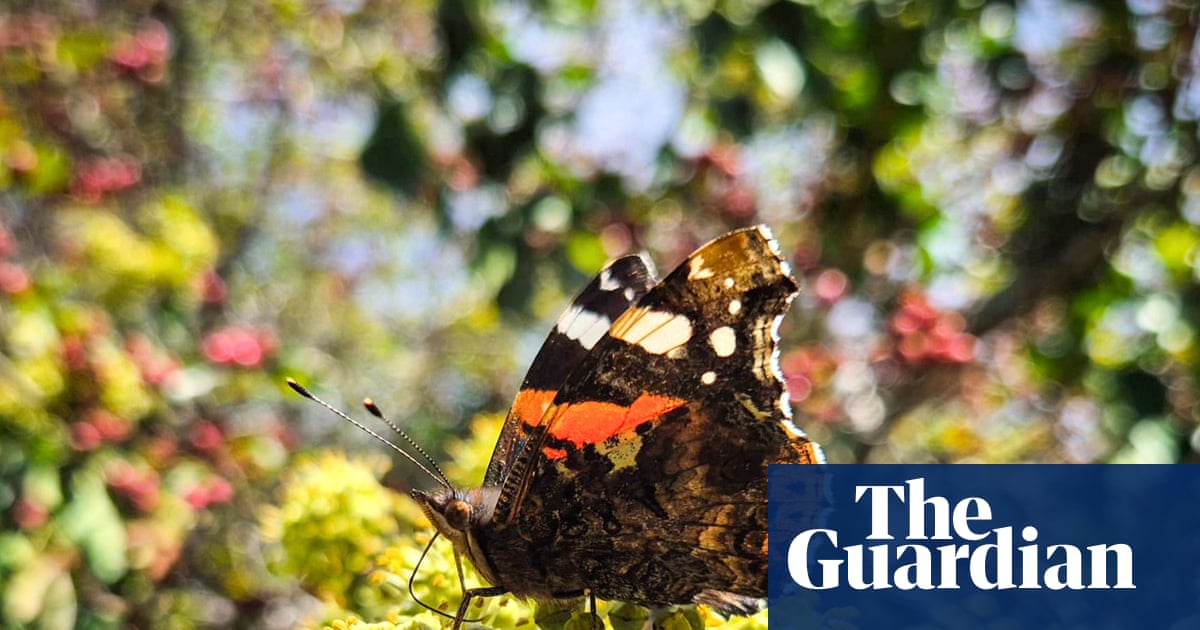
“"We already recommend ivy as a great plant to grow because it is an important resource for breeding holly blue butterflies and nectaring commas and red admirals. So the fact that this easy-to-grow native species is also the number one plant for pollinating insect visits is a fantastic discovery – we would recommend people to start growing ivy today!"