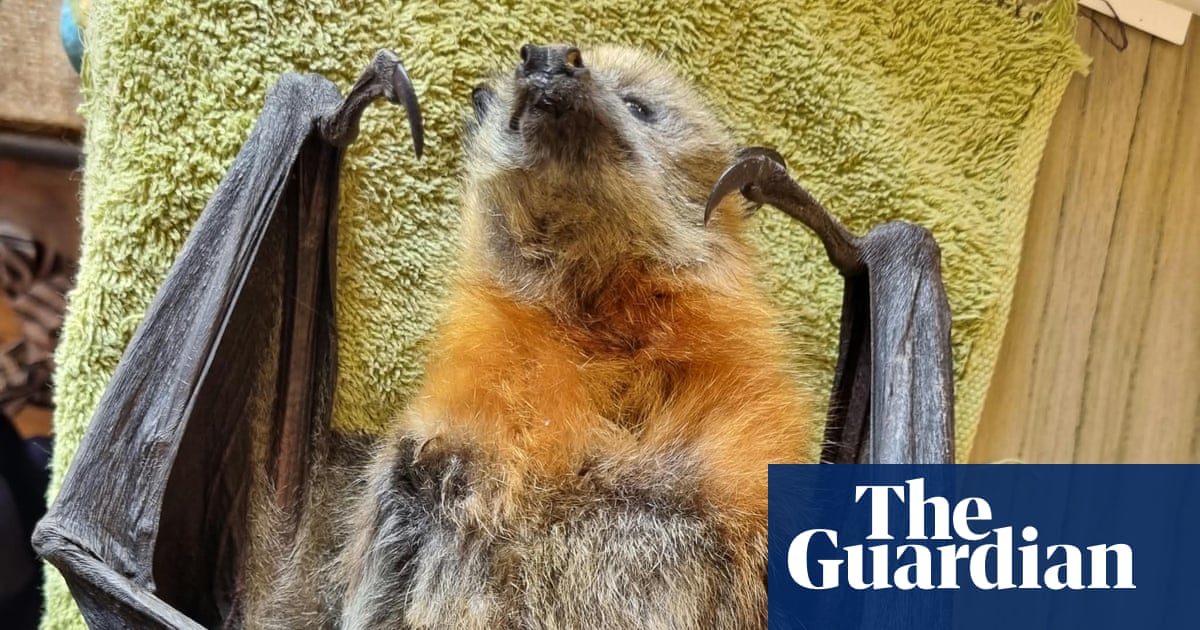
Flying foxes are facing a mass starvation crisis across New South Wales and parts of Victoria, prompting wildlife rescuers to respond to a surge in reports of exhausted and emaciated adults and skeletal pups. The situation is particularly dire for the grey-headed flying foxes, which are listed as vulnerable under federal environment laws and typically feed on the blossoms and nectar of native trees.
Current Situation
Reports indicate that food shortages are affecting flying foxes from the northern rivers to the south coast of NSW. Rescue organizations in Victoria are also experiencing an increase in callouts, especially in East Gippsland and Castlemaine.
Rachael Smethurst, the bat coordinator at Fawna wildlife rescue on the NSW mid-north coast, stated that their organization is receiving between 50 to 90 calls each day, surpassing the total number of callouts for bats in the previous nine months. She noted:
“"They’re coming into back yards to eat ornamental fruit trees and eating a lot of ripe and unripe cocos palms. They’re crawling around on the ground eating unripe dropped fruit, and quite literally dropping out of trees due to starvation."
Causes of Starvation
The NSW environment department attributes this mass starvation event to habitat loss and a dry winter, which has resulted in poor seasonal flowering of eucalypts and other native plants. Wires, a wildlife rescue organization, reported that many malnourished and dehydrated female flying foxes are in the final month of their gestational period and are tragically losing their young due to insufficient nutritional health.